Love this? Save it for later!
Share the inspiration with your friends
For a while, I just accepted that pork chops weren’t going to taste like anything other than dry, chalky disappointments. You know the type. You buy the nice bone-in ones, the ones with the pretty marbling, and you cook them for ten minutes. You pull them out. They look fine. You take a bite. And suddenly you are chewing on a leather sole. It is a specific kind of culinary defeat that hits harder than you would expect.
I had spent years trying to beat the clock. Weeknights are brutal. You get home, you are hungry, and the last thing you want is to watch a pot bubble for two hours. But I also refused to settle for the microwave version of dinner. There had to be a middle ground. A way to get that fork-tender texture without living in the kitchen.
The answer wasn’t a high-tech gadget or a obscure spice blend. It was just apple cider. Real, unfiltered cider. The kind you buy in the glass bottle that costs a few dollars more than the juice box version. I started throwing chops into the pan with it just to see what would happen. I expected a sticky glaze, maybe a bit of sweetness.
What I got was a braising liquid that turned into a rich, savory sauce. The acidity cut through the fat of the pork. The liquid penetrated the meat. Suddenly, those chops were juicy. They were tender. They were actually good. It wasn’t a revolution. It was just a really sensible way to cook dinner.
I have made this Savory Apple Cider Braised Pork Chops recipe at least a dozen times since that first tentative attempt. It is the kind of meal that settles you down after a long day. It doesn’t shout for attention. It just works. And honestly, that is exactly what I was looking for.
Why You’ll Love This Recipe
There is a reason this method has stuck around in my rotation, and it isn’t just because it tastes good. It is because it respects your time and your ingredients. When you cook, you want to feel like you are in control, not fighting your food. This recipe gives you that control back.
- Quick & Easy: You can have this on the table in about 30 to 35 minutes. That is barely enough time to scroll through social media, let alone cook a full meal. It is perfect for those chaotic weeknights when you just need to eat.
- Simple Ingredients: You do not need to drive to three different stores for this. You likely have apple cider, onion, and butter in your house already. It relies on pantry staples to create something that feels fancy.
- Perfect for Cool Evenings: Whether it is a chilly Tuesday or a rainy Sunday, this dish brings warmth. The scent of simmering apples and herbs fills the house, making it feel like a proper meal.
- Crowd-Pleaser: Kids usually hesitate at “sauce,” but they love the mild sweetness of apple. Adults love the savory depth. It bridges that gap without anyone complaining.
- Unbelievably Delicious: The texture is the star here. The meat falls apart slightly when you cut it. It is comfort food, but lighter than a heavy stew.
What makes this different from other pork chop recipes? Most people sear and then bake. This uses a braising technique in a skillet. The liquid does the work. It keeps the meat moist from the inside out. I tested many versions, including using water or stock, but the cider provides a natural sweetness that balances the salt of the pork perfectly. It is not just another version; it is the one that actually keeps the chops juicy.
What Ingredients You Will Need
This recipe uses simple, wholesome ingredients to deliver bold flavor and satisfying texture without the fuss. The magic happens in the balance between the savory pork and the bright, tart apple cider. Here is what you need to get started.
- Pork Chops: You need 4 thick-cut, bone-in pork chops. I recommend looking for chops that are at least 1 inch thick. Thin chops cook too fast and dry out. I like to buy from a local butcher when I can, but the supermarket works fine if you pick the best looking ones. Look for meat that is pink, not gray.
- Apple Cider: 1 cup of unfiltered apple cider is essential. Do not use apple juice from a carton. It is too sweet and lacks the depth. You want the cloudy, sediment-filled stuff. It has more apple flavor and natural pectin, which helps thicken the sauce later. This is the non-negotiable ingredient.
- Butter: 2 tablespoons of unsalted butter. This adds richness and helps brown the chops. Salted butter works in a pinch, but you will need to reduce the added salt.
- Onion: 1 medium yellow onion, diced. This forms the flavor base. It sweats down in the pan and adds a savory backbone to the cider.
- Garlic: 3 cloves of garlic, minced. Fresh garlic is best here. Powdered garlic changes the texture of the sauce.
- Dried Thyme: 1 teaspoon. Thyme pairs beautifully with both pork and apples. It is an earthy herb that grounds the sweetness.
- Salt and Black Pepper: To taste. I use about 1 teaspoon of kosher salt and half a teaspoon of pepper for the chops. Adjust as you go.
- Flour: 1 tablespoon of all-purpose flour. This is used to dust the chops before searing. It helps create a crust and thickens the sauce slightly.
- Apple (Optional): 1 small apple, diced. I like to add a crisp apple like Honeycrisp or Granny Smith during the last few minutes of cooking. It adds a nice textural contrast to the soft onions.
If you are watching your sodium, you can reduce the salt in the dusting and rely on the cider for flavor. For a gluten-free option, swap the flour for cornstarch or a gluten-free blend. The rest of the ingredients are naturally gluten-free.
Equipment Needed
You do not need a fancy kitchen to make this. A few basic tools will do the job.
- Large Skillet or Dutch Oven: A 12-inch cast iron skillet is ideal. It holds heat well and goes from stove to table easily. If you do not have cast iron, a heavy-bottomed stainless steel skillet works too. Avoid non-stick if you want a good sear, as it limits browning.
- Tongs:
- Cutting Board and Knife: For prepping the onions and garlic. A sharp chef’s knife makes the difference between mincing garlic in seconds or struggling for minutes.
- Measuring Cups and Spoons: Basic measuring tools. You do not need to be precise with the salt, but the cider amount matters for the sauce consistency.
- Wooden Spoon: To scrape up the browned bits (fond) from the bottom of the pan. This is where all the flavor lives.
If your skillet is too small for all four chops, cook them in two batches. Do not crowd the pan, or the meat will steam instead of sear. That is a common mistake that leads to gray, sad pork.
Preparation Method
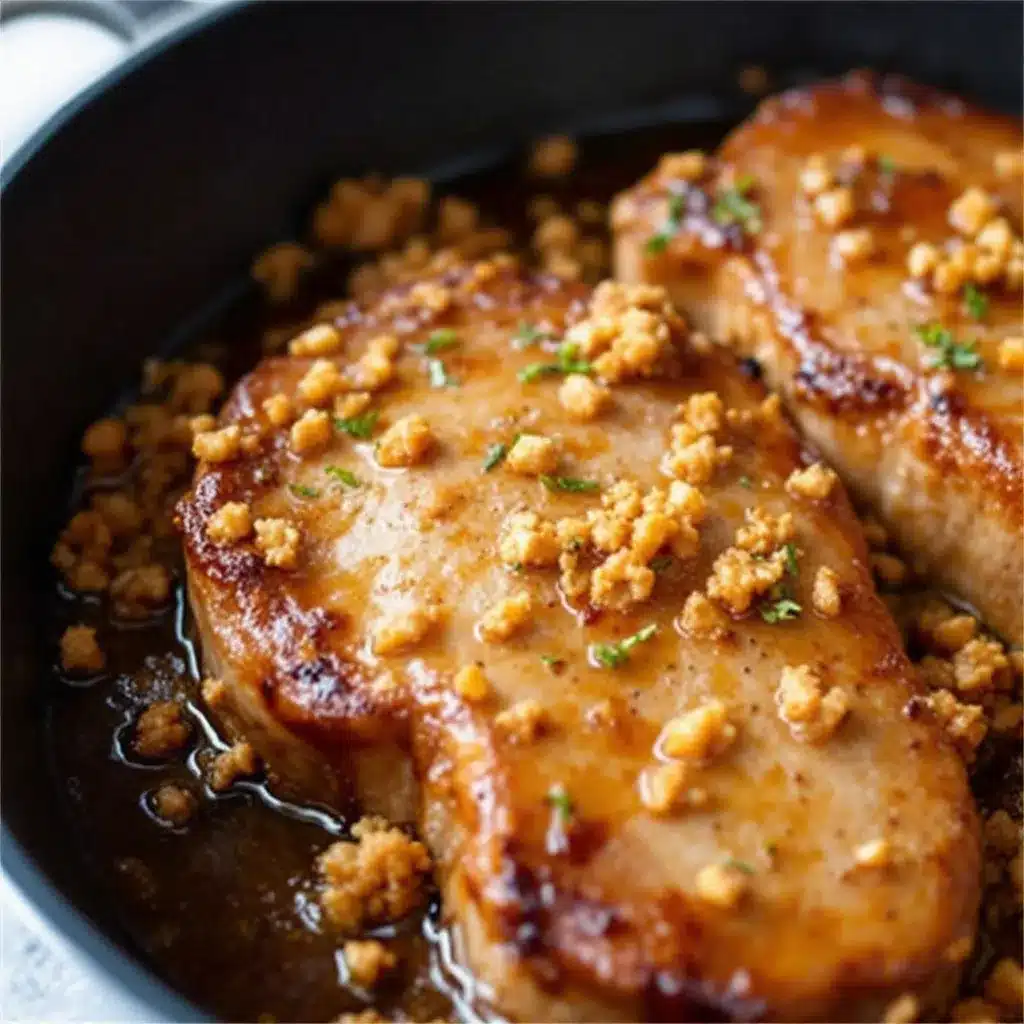
Let’s get cooking. This process is straightforward, but timing is everything. Follow these steps closely for the best results.
- Prep the Meat (5 minutes): Pat the pork chops completely dry with paper towels. This sounds like a minor step, but it is crucial. Wet meat steams. Dry meat sears. Season both sides generously with salt and pepper. Then, lightly dust both sides with the flour. Shake off any excess. You want a thin, almost invisible layer of flour on the surface.
- Heat the Pan (2 minutes): Place your large skillet over medium-high heat. Add the butter. Let it melt and foam. Wait until the foaming subsides slightly. This means the butter is hot but not burning. If it browns too fast, your pan is too hot. Turn it down a notch.
- Sear the Chops (6-8 minutes): Place the chops in the pan. Do not move them for 3-4 minutes. Let them develop a deep golden-brown crust. Flip them over. Sear the other side for another 3-4 minutes. Remove the chops to a plate. They will not be cooked through yet, and that is okay. Set them aside. Do not wipe the pan clean.
- Sauté the Aromatics (3 minutes): Reduce the heat to medium. Add the diced onion to the same pan. Cook for 2-3 minutes until softened. Add the minced garlic and cook for 30 seconds more. You want the garlic to smell fragrant, not brown. If it burns, it will taste bitter.
- Make the Sauce (2 minutes): Pour in the apple cider. Use your wooden spoon to scrape up all the brown bits from the bottom of the pan. This is called deglazing. These bits are pure flavor. Let the cider simmer for 2 minutes to reduce slightly.
- Braise the Chops (15-20 minutes): Return the pork chops to the pan, nesting them into the sauce. Sprinkle the dried thyme over the top. If you are using the extra apple, add it now. Cover the pan with a lid. Reduce heat to low. Let it simmer gently. This slow cooking tenderizes the meat.
- Check and Finish (5 minutes): After 15 minutes, check the internal temperature. It should reach 145°F (63°C). If they are done, remove the chops to a clean plate. Turn the heat up to medium-high to boil the sauce. Let it reduce until it coats the back of a spoon. Taste and adjust salt if needed.
- Serve: Pour the thickened sauce over the chops. Serve immediately while hot.
If the sauce gets too thick, add a splash of water or stock. If it is too thin, let it boil a bit longer. Trust your eyes.
Cooking Tips & Techniques
I have made this recipe enough times to know where things can go wrong. Here is how to avoid those pitfalls.
First, do not skip the drying step. I know it is annoying to pat meat dry, but moisture is the enemy of browning. If the chops are wet, they will release steam. You will end up with pale, boiled pork. Dry chops mean a good crust.
Second, manage your heat. Medium-high is the sweet spot for searing. If you go too high, the butter burns. If you go too low, nothing happens. Watch the butter carefully. It should be bubbling vigorously but not turning black.
Third, do not overcrowd the pan. If you put all four chops in a small skillet, they will touch. The moisture trapped between them will prevent browning. Cook in batches if you have to. It takes an extra minute, but the difference in texture is worth it.
Also, let the meat rest. When you take the chops out of the pan, let them sit on the plate for 5 minutes before cutting. This allows the juices to redistribute. If you cut into them immediately, the juices run out onto the plate, and the meat becomes dry. It is a simple habit that makes a huge difference.
Finally, taste the sauce before serving. Cider varies in sweetness. Some brands are tart, some are sugary. Adjust the seasoning accordingly. A pinch of salt can balance a very sweet cider. A splash of vinegar can cut through if it is too heavy.
Variations & Adaptations
This recipe is a framework, not a rigid rulebook. Here are some ways to make it your own.
Add Mustard: Stir in a teaspoon of Dijon mustard when you add the cider. It adds a tangy kick that pairs wonderfully with the pork. It is a classic French combination.
Use Pears: Swap the apple for pears. Pears are softer and sweeter. They break down quickly, creating a more jam-like texture in the sauce. It is a lovely variation for autumn.
Gluten-Free: Skip the flour dusting. Instead, mix a teaspoon of cornstarch with a tablespoon of cold water. Stir this into the sauce during the reduction step. It will thicken just as effectively.
Herb Swap: If you do not like thyme, try rosemary. Use a small sprig of fresh rosemary. Remove it before serving. Rosemary is stronger, so use less. It gives a piney, robust flavor.
Spicy Twist: Add a pinch of red pepper flakes when you sauté the garlic. It adds a subtle heat that contrasts with the sweet cider. It is surprisingly good if you like a little kick.
I once tried this with maple syrup instead of cider. It was too sweet and heavy. Stick to the cider. The acidity is what makes the dish balanced. You can add a teaspoon of maple syrup to the sauce if you want more sweetness, but do not replace the cider entirely.
Serving & Storage Suggestions
This dish shines when served with simple, neutral sides. It needs something to soak up the sauce.
Best Sides: Mashed potatoes are the classic choice. Creamy, buttery mashed potatoes are perfect for scooping up the cider sauce. Rice or egg noodles also work well. A simple green salad with a vinaigrette cuts through the richness of the pork.
Presentation: Serve the chops on a warm plate. Spoon the sauce generously over the top. Garnish with fresh chopped parsley if you have it. It adds a pop of color and freshness.
Storage: Leftovers keep well in the refrigerator. Store them in an airtight container for up to 3 days. The sauce thickens as it cools, so you may need to add a little water when reheating.
Reheating: Reheat gently in a skillet over low heat. Add a splash of water or broth to loosen the sauce. Do not microwave it on high, or the pork will become rubbery. Low and slow is the way to go.
Freezing: You can freeze the chops and sauce, but the texture of the apples may change. The pork itself freezes well. Thaw in the refrigerator overnight before reheating.
The flavors actually improve the next day. The pork has time to absorb the sauce. It is even better as a leftover lunch.
Nutritional Information & Benefits
This meal is balanced and satisfying. Pork chops are a good source of protein, which helps keep you full. Apple cider adds vitamins and antioxidants, though it does contain natural sugars.
Each serving provides roughly 350-400 calories, depending on the size of the chops and the amount of sauce. The fat content comes mainly from the pork and butter. If you are watching your intake, you can skim some of the fat from the top of the sauce before serving.
The dish is naturally gluten-free if you skip the flour. It is also dairy-free if you use olive oil instead of butter, though the butter adds significant flavor. It is a wholesome meal that does not feel like “diet” food. It feels like real food.
I appreciate that it uses whole ingredients. No processed sauces or mixes. Just pork, apples, onions, and herbs. It is easy on the body and easy on the conscience.
Conclusion
This Savory Apple Cider Braised Pork Chops recipe is a testament to the power of simple cooking. It does not require fancy techniques or expensive ingredients. It just requires patience and a willingness to let the food do its work.
I love this recipe because it is forgiving. If you cook the chops a minute too long, they are still tender. If the sauce is a bit thin, it is still delicious. It is a reliable companion for busy weeknights.
Try making it this week. Adjust the herbs to your taste. Serve it with your favorite side. I bet you will find yourself making it again and again.
If you try this recipe, please let me know how it turned out. Leave a comment below with your thoughts. Did you add mustard? Did you use pears? I love hearing about your adaptations. Share your photos on social media and tag me. I want to see your creations.
Happy cooking. I hope this meal brings some warmth to your table.
Frequently Asked Questions
Can I use apple juice instead of cider?
It is not recommended. Apple juice is filtered and lacks the depth and acidity of cider. The sauce will be too sweet and thin. Cider is essential for the flavor balance.
How do I know when the pork chops are done?
Use a meat thermometer. Insert it into the thickest part of the chop. It should read 145°F (63°C). The meat will be slightly pink in the center, which is safe and juicy.
Can I make this in a slow cooker?
You can, but you will miss the seared crust. Sear the chops in a pan first, then transfer to the slow cooker with the sauce. Cook on low for 4-6 hours. The texture will be very tender.
What kind of apple should I use?
Crisp apples like Honeycrisp, Fuji, or Granny Smith work best. They hold their shape during cooking. Soft apples like Red Delicious will turn into mush.
Can I double this recipe?
Yes, but you will need a larger pan. Do not overcrowd the chops. Cook in batches if necessary. The cooking time may increase slightly if the pan is very full.
Pin This Recipe!

Savory Apple Cider Braised Pork Chops

A quick and easy 30-minute dinner featuring thick-cut, bone-in pork chops braised in a rich, savory apple cider sauce with onions and thyme.
- Prep Time: 5 minutes
- Cook Time: 25 minutes
- Total Time: 30 minutes
- Yield: 4 servings 1x
- Category: Main Course
- Cuisine: American
Ingredients
- 4 thick-cut, bone-in pork chops (at least 1 inch thick)
- 1 cup unfiltered apple cider
- 2 tablespoons unsalted butter
- 1 medium yellow onion, diced
- 3 cloves garlic, minced
- 1 teaspoon dried thyme
- 1 tablespoon all-purpose flour
- 1 teaspoon kosher salt (plus more to taste)
- 1/2 teaspoon black pepper (plus more to taste)
- 1 small crisp apple (e.g., Honeycrisp or Granny Smith), diced (optional)
Instructions
- Pat pork chops completely dry with paper towels. Season both sides generously with salt and pepper, then lightly dust both sides with flour, shaking off excess.
- Place a large skillet (preferably cast iron) over medium-high heat. Add butter and let it melt and foam until the foaming subsides slightly.
- Place chops in the pan. Do not move them for 3-4 minutes to develop a golden-brown crust. Flip and sear the other side for another 3-4 minutes. Remove chops to a plate; do not wipe the pan.
- Reduce heat to medium. Add diced onion to the pan and cook for 2-3 minutes until softened. Add minced garlic and cook for 30 seconds until fragrant.
- Pour in apple cider and use a wooden spoon to scrape up browned bits from the bottom of the pan (deglaze). Simmer for 2 minutes to reduce slightly.
- Return pork chops to the pan, nesting them into the sauce. Sprinkle with dried thyme and add diced apple if using. Cover with a lid, reduce heat to low, and simmer gently for 15-20 minutes.
- Check internal temperature; it should reach 145°F (63°C). Remove chops to a clean plate.
- Turn heat to medium-high to boil the sauce. Reduce until it coats the back of a spoon. Taste and adjust salt if needed.
- Pour sauce over chops and serve immediately.
Notes
Do not skip drying the meat, as moisture prevents browning. Do not overcrowd the pan; cook in batches if necessary. Let the meat rest for 5 minutes after cooking to redistribute juices. If the sauce is too thick, add a splash of water; if too thin, boil longer. For gluten-free, substitute flour with cornstarch slurry.
Nutrition
- Serving Size: 1 pork chop with sau
- Calories: 375
- Sugar: 10
- Sodium: 650
- Fat: 18
- Saturated Fat: 7
- Carbohydrates: 12
- Fiber: 0.5
- Protein: 35
Keywords: pork chops, apple cider, braised pork, easy dinner, weeknight meals, skillet dinner, comfort food