Love this? Save it for later!
Share the inspiration with your friends
My husband did not trust fish on the grill. He said it would fall through the grates, stick like glue, and taste like a campfire that had been left out in the rain. For three summers, every time I mentioned grilling salmon, he would politely suggest we just bake it instead. And honestly? I kind of agreed with him. I had dried out more fillets than I care to admit, and the thought of scrubbing burnt salmon skin off a grill grate made me want to just order takeout.
Then last July, a friend who runs a tiny seafood shack on the coast handed me a brown paper bag with two thick, wild-caught fillets and said, “Try it your way, but trust the butter.” She didn’t give me a recipe. Just that. So I did. I stood at the grill with a cold beer, a stick of butter, and the kind of low expectations that make a good outcome feel like a miracle. And what came off those grates was the best grilled salmon I had ever made—flaky, buttery, with edges that were just barely charred and a lemon garlic butter sauce pooling in the crevices. It was the kind of dinner that makes you close your eyes after the first bite. My husband asked for seconds before he even finished his first piece. I knew the skepticism was gone for good.
This recipe is that moment, every time. It is simple enough for a Tuesday night but special enough to serve when you want to impress someone—including yourself.
Why You’ll Love This Recipe
This isn’t just another grilled salmon recipe. I tested this method about seven times before I felt confident enough to call it “the best.” Here is why it actually earns that title.
- Quick & Easy: From fridge to plate in 15 minutes flat. No marinating required, no complicated steps. Just a quick seasoning, a hot grill, and butter that does all the heavy lifting.
- Simple Ingredients: You likely have lemon, garlic, butter, and salt in your kitchen right now. The only thing you might need to grab is a good piece of salmon. No fancy grocery trips needed.
- Perfect for Weeknights or Special Dinners: It feels like a restaurant-quality meal but comes together faster than most pasta dishes. Great for busy evenings, al fresco dinners, or even a last-minute Valentine’s Day menu.
- Crowd-Pleaser: Even people who say they don’t like fish love this. The lemon garlic butter is mild enough for kids but flavorful enough for adults. I have served it to picky eaters and seafood snobs, and the plate always comes back clean.
- Unbelievably Delicious: The combination of smoky char from the grill and rich, tangy butter sauce is next-level comfort food. The texture—crispy on the outside, tender and flaky inside—is exactly what you want from grilled fish.
What makes this recipe different from the rest is the timing and the butter application. Most recipes tell you to brush butter on before grilling, which just burns off. I wait until the salmon is almost done, then baste it generously. The butter soaks into the warm fish instead of dripping into the flames. It is a small shift, but it changes everything.
This is the kind of meal that makes you feel like you have your life together, even if you are just wearing sweatpants and drinking wine on the back porch.
What Ingredients You Will Need
This recipe uses simple, wholesome ingredients to deliver bold flavor and satisfying texture without the fuss. Most of these are pantry staples or easy to find at any grocery store.
- Salmon Fillets (4 fillets, about 6 oz each): Look for fillets that are roughly the same thickness so they cook evenly. I prefer wild-caught salmon when I can find it—it has a firmer texture and cleaner flavor. But good-quality farmed salmon works beautifully too. Skin-on is best for grilling; it protects the fish and gets wonderfully crispy.
- Unsalted Butter (4 tablespoons, softened): Butter is the star of the sauce here. I use unsalted so I can control the salt level. Let it come to room temperature so it melts smoothly when you baste the fish.
- Fresh Garlic (4 cloves, minced): Please use fresh garlic here, not the jarred stuff. The flavor difference is huge. Minced garlic releases its oils into the warm butter, creating that aromatic, savory base that makes this sauce so good.
- Fresh Lemon (1 large lemon): You will use both the zest and the juice. The zest adds bright, citrusy aroma without extra liquid, while the juice cuts through the richness of the butter. Roll the lemon on the counter before juicing to get the most out of it.
- Extra-Virgin Olive Oil (1 tablespoon): A light coating of oil on the salmon helps it sear and prevents sticking. It also helps the salt and pepper adhere. Use a neutral-tasting olive oil or avocado oil.
- Kosher Salt (1 teaspoon): I use Diamond Crystal kosher salt. If you use a finer salt, reduce the amount slightly. Salt is crucial here—it seasons the fish all the way through, not just on the surface.
- Black Pepper (½ teaspoon, freshly ground): Freshly ground black pepper adds a subtle warmth that complements the lemon and garlic. Pre-ground pepper works in a pinch but has less flavor.
- Fresh Parsley (2 tablespoons, chopped, for garnish): Optional but recommended. It adds a pop of color and a fresh, herbaceous finish that balances the richness of the butter.
I recommend using a good-quality butter like Kerrygold or Plugrà for the best sauce texture. The higher fat content makes it creamier. For the salmon, if you can get a center-cut fillet, it tends to be the most evenly shaped and cooks the most consistently.
If you want to switch things up, you can use lime instead of lemon, or add a pinch of red pepper flakes to the butter for a little heat. More on variations later.
Equipment Needed
You do not need a lot of fancy gear for this recipe, which is part of why I love it. Here is what you will need:
- Outdoor Grill (gas or charcoal): A gas grill is easier for temperature control, but charcoal adds a lovely smoky flavor. Either works. I have used both, and honestly, the results are close enough that you should use what you have.
- Grill Tongs: A good pair of long-handled tongs is essential for flipping the salmon without breaking it. I have a pair with silicone tips that grip well without scratching the grates.
- Fish Spatula (optional but helpful): A thin, slotted spatula makes flipping delicate fillets much easier. If you don’t have one, a regular spatula works—just be gentle.
- Small Saucepan or Microwave-Safe Bowl: For melting the butter and mixing the sauce. I prefer a small saucepan because it gives me more control, but a bowl in the microwave works in a pinch.
- Basting Brush: A silicone basting brush is ideal for applying the butter sauce evenly. If you don’t have one, you can use a spoon to drizzle the butter over the fish.
- Instant-Read Thermometer: This is my secret weapon. It takes the guesswork out of cooking fish. Salmon is perfectly cooked at 125°F to 130°F in the thickest part. No more dry, overcooked fish.
- Cutting Board and Knife: For mincing garlic, zesting and juicing the lemon, and chopping parsley.
- Mixing Bowl: Small bowl for combining the butter, garlic, lemon zest, and parsley.
If you are using a charcoal grill, I recommend a chimney starter for even heat. It is one of the best investments I have made for grilling. If you are on a budget, skip the fish spatula and just use a thin metal spatula you already own.
Preparation Method
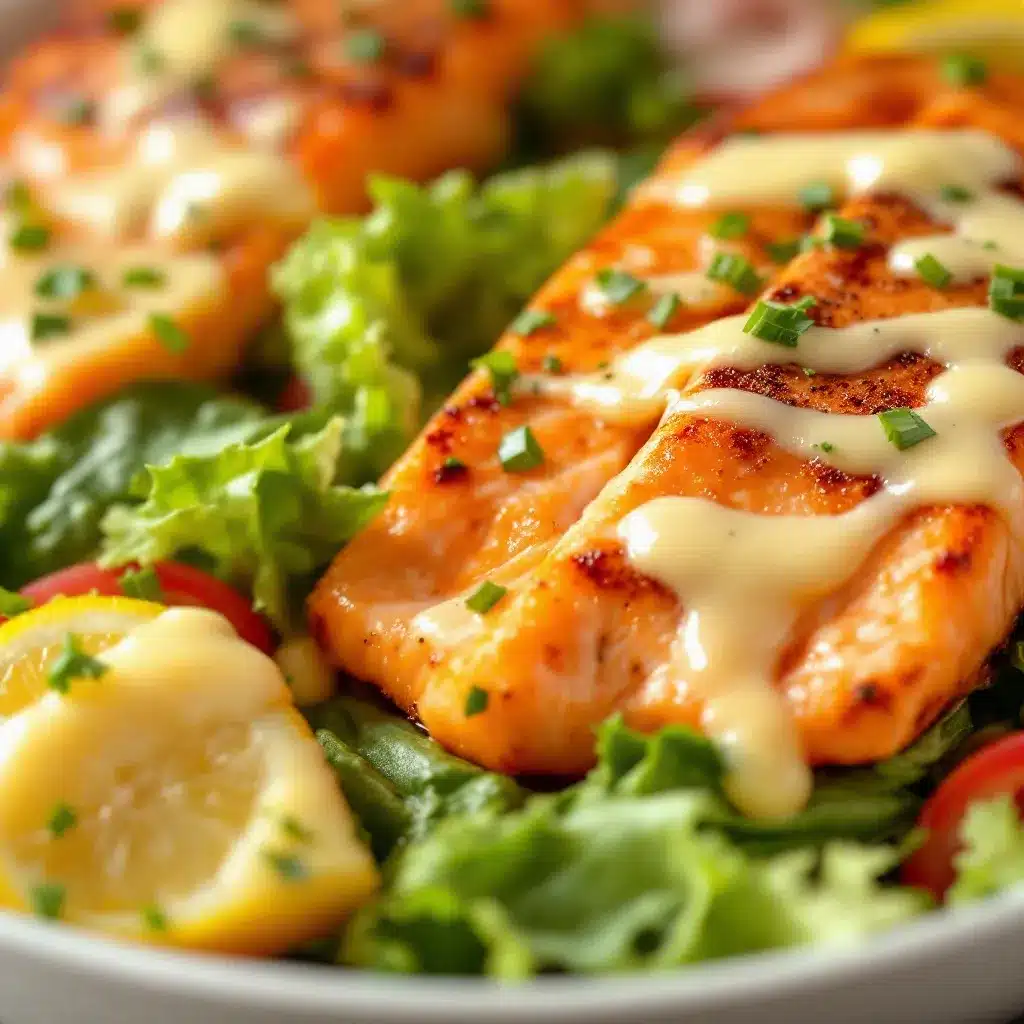
This method is straightforward, but the details matter. Follow these steps, and you will get perfect grilled salmon every time.
- Prepare the grill (5 minutes before cooking): Start by cleaning your grill grates thoroughly. A wire brush works great. Then, oil the grates by dipping a folded paper towel in vegetable oil and using tongs to rub it over the hot grates. This is the single most important step for preventing sticking. Preheat your grill to medium-high heat, around 400°F to 450°F. If using a charcoal grill, wait until the coals are glowing and covered with white ash.
- Make the lemon garlic butter (while the grill heats): In a small bowl, combine 4 tablespoons of softened unsalted butter, 4 minced garlic cloves, the zest of 1 lemon, 2 tablespoons of fresh lemon juice, and 2 tablespoons of chopped fresh parsley. Mix until everything is well combined. Set aside. The butter should be soft enough to spread but not melted. If your kitchen is cold, let it sit out for 15 minutes before mixing.
- Prepare the salmon (2 minutes): Pat the salmon fillets dry with paper towels. This is crucial—dry fish gets a better sear. Brush each fillet lightly with olive oil on both sides. Season generously with kosher salt and freshly ground black pepper. I use about ¼ teaspoon of salt per fillet. Do not skip this step; the salt seasons the fish all the way through.
- Grill the salmon skin-side down first (5-6 minutes): Place the fillets on the hot grill, skin-side down, at a 45-degree angle to the grates. This creates those beautiful grill marks. Close the lid. Cook without moving the fish for 5 to 6 minutes. The skin will get crispy and release easily from the grates when it is ready. If you try to flip it and it sticks, give it another minute. It will release when it is properly seared.
- Flip and baste (3-4 minutes): Using your fish spatula or tongs, carefully flip the fillets. The skin should be golden brown and crispy. Immediately brush or spoon a generous amount of the lemon garlic butter over the top of each fillet. Close the lid and cook for another 3 to 4 minutes. The internal temperature should reach 125°F to 130°F for medium. If you like it more well-done, cook to 135°F, but be careful not to overcook it.
- Rest and serve (2 minutes): Remove the salmon from the grill and transfer to a plate. Spoon any remaining butter sauce from the bowl over the top. Let it rest for 2 minutes. This allows the juices to redistribute. Garnish with additional fresh parsley and lemon wedges if desired. Serve immediately.
A few notes from my kitchen: If your fillets are thinner (less than 1 inch thick), reduce the cooking time by a minute or two per side. Thicker fillets (1.5 inches or more) may need an extra minute. The thermometer is your best friend here. Also, if you are using a gas grill, keep the lid closed as much as possible to maintain consistent heat. Opening it too often drops the temperature and slows down cooking.
If you love quick, healthy weeknight dinners, you might also enjoy this teriyaki salmon and broccoli sheet pan dinner—it uses a similar approach but with a different flavor profile.
Cooking Tips & Techniques
Over the years, I have made every mistake you can imagine with grilled salmon. Here is what I learned so you do not have to repeat my failures.
Do not move the fish too early. This is the number one mistake people make. You put the salmon on the grill, and within two minutes, you are poking at it to see if it is ready. Stop. Let it cook undisturbed for at least 5 minutes. The fish will release from the grates naturally when the skin is properly seared. If you force it, the skin will tear, and the fish will fall apart.
Control the heat. Medium-high heat is the sweet spot. If your grill is too hot, the outside will burn before the inside is cooked. If it is too low, the fish will steam instead of sear, and the skin will be rubbery. I aim for 400°F to 450°F. On a charcoal grill, that means the coals are hot but not blazing. On a gas grill, medium-high is usually around the 6 or 7 mark.
Use a two-zone fire if you can. This is a pro tip I picked up from a barbecue competition. Set up your grill with direct heat on one side and indirect heat on the other. Sear the salmon over direct heat for the first few minutes, then move it to the cooler side to finish cooking. This gives you a beautiful crust without drying out the interior.
Butter is not just for flavor. The butter also helps prevent the fish from drying out. As it melts, it creates a barrier that locks in moisture. That is why I baste after flipping, not before. If you put butter on the raw fish and put it over high heat, the milk solids burn, and the butter just drips off. Waiting until the fish is mostly cooked means the butter stays on the fish and soaks in.
Watch the internal temperature, not the clock. I cannot stress this enough. Every grill is different. Every fillet is different. A thermometer removes all the guesswork. I use an instant-read thermometer and start checking around the 4-minute mark on the second side. When it hits 125°F, I pull it off. The residual heat will carry it to about 130°F as it rests.
One more thing: if you are grilling for a crowd, you can keep the cooked salmon warm in a 200°F oven while you finish the rest. Just place it on a baking sheet and cover loosely with foil. It will stay perfect for up to 20 minutes.
Variations & Adaptations
This recipe is incredibly versatile. Here are a few ways I have changed it up depending on the season, my mood, or what is in the fridge.
Spicy Cajun Version: Skip the lemon garlic butter and make a Cajun spice rub instead. Mix 1 teaspoon each of smoked paprika, garlic powder, onion powder, and dried oregano with ½ teaspoon of cayenne pepper and ½ teaspoon of salt. Rub it all over the fillets before grilling. Serve with a squeeze of fresh lime and a dollop of sour cream. This version is fantastic with a side of cowboy caviar with mango and avocado for a fresh, colorful meal.
Herb-Crusted Salmon: Add 2 tablespoons of finely chopped fresh dill and 1 tablespoon of chopped fresh chives to the lemon garlic butter. Spread it over the salmon before grilling. The herbs create a lovely crust and add a bright, fresh flavor. This is my go-to version in the spring when fresh herbs are abundant.
Honey Garlic Glaze: For a sweeter, stickier version, whisk 2 tablespoons of honey, 1 tablespoon of soy sauce, and 1 minced garlic clove into the melted butter. Brush it on during the last 2 minutes of cooking. The honey caramelizes beautifully on the grill. Just watch it closely—it can burn quickly. This pairs wonderfully with a side of high-protein chicken and rice bowl if you are meal prepping for the week.
Dietary Adaptations: To make this dairy-free, substitute the butter with a high-quality vegan butter or ghee (which is lactose-free). For a lower-fat option, use a spray of olive oil instead of butter and finish with a squeeze of fresh lemon. If you are watching your sodium, reduce the salt to ½ teaspoon and add extra black pepper and garlic for flavor.
Alternative Cooking Methods: No grill? No problem. You can cook this salmon on a grill pan over high heat, in a cast-iron skillet on the stovetop, or even under the broiler. For the broiler method, place the seasoned fillets on a foil-lined baking sheet and broil for 6 to 8 minutes, basting with the butter halfway through. The results are surprisingly similar to grilled salmon.
Serving & Storage Suggestions
This salmon is best served fresh off the grill, but there are a few tricks to make it even better.
Serving Temperature: Serve the salmon warm, right after the 2-minute rest. The butter sauce should still be glossy and warm. I like to place the fillets on a warmed platter so they stay hot longer. A squeeze of fresh lemon right before serving brightens everything up.
Presentation: Arrange the fillets on a large white platter with lemon wedges and a sprinkle of fresh parsley. If you want to get fancy, add a few capers or thin slices of radish for color. The contrast of the golden-brown salmon, green parsley, and bright yellow lemon is beautiful.
Complementary Sides: This salmon pairs beautifully with almost anything. I love it with a simple arugula salad dressed with lemon vinaigrette, roasted asparagus, or garlic mashed potatoes. For a low-carb option, serve it over zucchini noodles or cauliflower rice. If you are feeling indulgent, a side of creamy sun-dried tomato orzo is a match made in heaven.
Beverage Pairings: A crisp white wine like Sauvignon Blanc or Pinot Grigio is perfect. For beer drinkers, a light lager or a citrusy wheat beer works well. If you are serving it for a special occasion, a chilled glass of sparkling water with lemon is a great non-alcoholic option.
Storage: Leftover salmon should be stored in an airtight container in the refrigerator. It will keep for up to 3 days. The flavor actually mellows and becomes a bit more subtle, which I kind of like. The texture will not be as flaky as fresh, but it is still delicious.
Reheating: The best way to reheat salmon is low and slow. Place it in a 300°F oven for about 5 to 7 minutes, or until just warmed through. You can also reheat it in a skillet over low heat with a splash of water or lemon juice. Do not use the microwave unless you are in a hurry—it tends to dry out the fish. I have also flaked cold leftover salmon into a salad or mixed it into scrambled eggs for breakfast, which is honestly my favorite way to use it.
How Flavors Develop: The lemon garlic butter sauce will thicken slightly as it cools. If you are making this ahead of time, keep the sauce separate and reheat it gently before serving. The salmon itself is best fresh, but the flavors do deepen after a day in the fridge.
Nutritional Information & Benefits
This recipe is not just delicious—it is genuinely good for you. Here is a rough breakdown per serving (one fillet with sauce):
- Calories: Approximately 420
- Protein: 34 grams
- Fat: 28 grams (mostly healthy fats from salmon and butter)
- Carbohydrates: 2 grams
- Fiber: 0 grams
- Sugar: 1 gram
- Sodium: 680 milligrams (varies based on salt used)
Health Benefits: Salmon is packed with omega-3 fatty acids, which are great for heart health and brain function. It is also an excellent source of high-quality protein, B vitamins, and selenium. The lemon provides vitamin C and antioxidants, while garlic has anti-inflammatory properties. Even the butter, in moderation, provides fat-soluble vitamins like A, D, and K2.
Dietary Considerations: This recipe is naturally gluten-free, low-carb, and keto-friendly. It is also suitable for pescatarian diets. If you are watching your saturated fat intake, you can reduce the butter to 2 tablespoons and supplement with olive oil.
Potential Allergens: This recipe contains fish and dairy (butter). If you have a fish allergy, this one is not for you. For dairy-free, use the substitution mentioned in the variations section.
Personally, I love that this meal feels indulgent but is actually packed with nutrients. It is the kind of dinner that leaves you feeling satisfied and energized, not sluggish. I often serve it after a long day when I need something nourishing but do not want to spend hours in the kitchen.
Frequently Asked Questions
Can I use frozen salmon for this recipe?
Yes, but you need to thaw it completely first. Place the frozen fillets in the refrigerator overnight, or submerge them in cold water for about 30 minutes. Pat them very dry before seasoning—frozen salmon releases more water as it thaws, and excess moisture will prevent a good sear.
How do I know when the salmon is done without a thermometer?
Look for visual cues. The salmon will change from translucent to opaque as it cooks. When it is done, the flesh will flake easily when pressed gently with a fork. The center should still be slightly translucent if you like it medium. If the flakes separate cleanly and the center is opaque throughout, it is well-done.
Can I make the lemon garlic butter ahead of time?
Absolutely. You can make the butter mixture up to 3 days in advance and store it in the refrigerator. Let it come to room temperature before using so it spreads easily. You can also freeze the butter mixture for up to a month—just thaw it in the fridge overnight before grilling.
Why did my salmon stick to the grill?
Two most common reasons: your grill grates were not clean enough, or you did not oil them properly. Always start with clean grates and oil them well. Also, be patient. The salmon will release naturally when the skin is fully seared. If you try to flip it too early, it will stick and tear.
Can I grill salmon without the skin?
You can, but it is trickier. Skinless fillets are more delicate and prone to falling apart on the grill. If you try it, use a well-oiled grill basket or a piece of foil with holes poked in it. I recommend keeping the skin on for grilling—it protects the fish and gets deliciously crispy.
Final Thoughts
This Best Grilled Salmon with Lemon Garlic Butter is the kind of recipe that makes you feel like you have a secret weapon in your back pocket. It is fast enough for a Tuesday night, fancy enough for a dinner party, and simple enough that you will actually make it again and again. The combination of smoky char, rich butter, bright lemon, and tender, flaky fish is hard to beat.
I love this recipe because it reminds me that good food does not have to be complicated. Sometimes the best meals come from a moment of doubt, a willingness to try something new, and a little bit of butter. I hope you make it, tweak it to your liking, and find your own reason to love it.
If you try this recipe, I would love to hear about it. Leave a comment below and let me know how it turned out, or share your own twist on it. Did you add extra spice? Swap the lemon for lime? Serve it with something unexpected? Tell me all about it. And if you are looking for more quick and healthy dinner ideas, check out the high-protein chicken and rice bowl or the one-skillet taco rice bake for another easy weeknight win.
Happy grilling, friends. Go make something delicious.
Pin This Recipe!
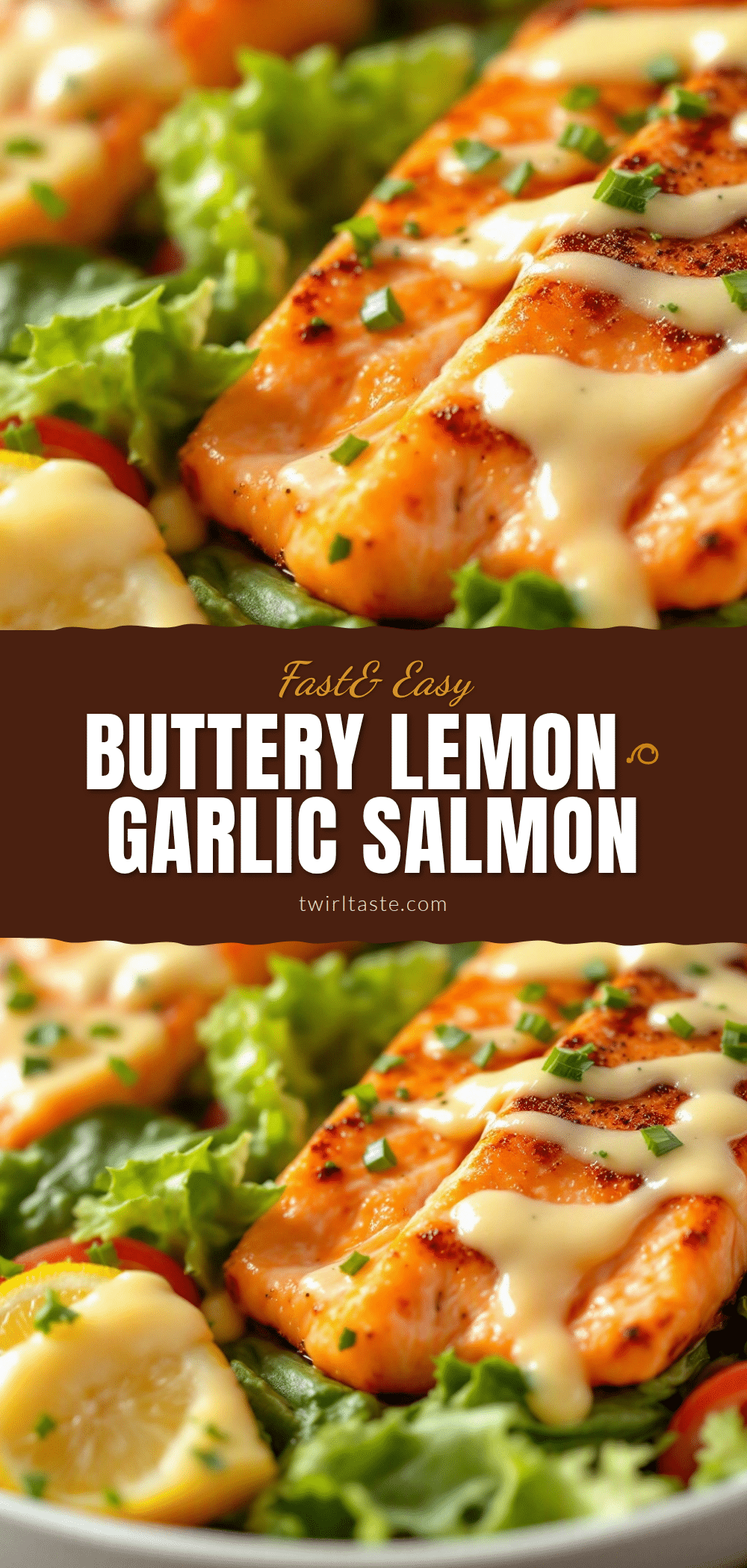
Best Grilled Salmon with Lemon Garlic Butter – Easy 15-Minute Dinner
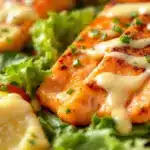
This grilled salmon is flaky, buttery, and finished with a lemon garlic butter sauce that pools in every crevice. It’s simple enough for a Tuesday night but special enough to impress guests.
- Prep Time: 5 minutes
- Cook Time: 10 minutes
- Total Time: 15 minutes
- Yield: 4 servings 1x
- Category: Main Course
- Cuisine: American
Ingredients
- 4 salmon fillets (about 6 oz each), skin-on
- 4 tablespoons unsalted butter, softened
- 4 cloves garlic, minced
- 1 large lemon, zested and juiced
- 1 tablespoon extra-virgin olive oil
- 1 teaspoon kosher salt
- ½ teaspoon freshly ground black pepper
- 2 tablespoons fresh parsley, chopped (for garnish)
Instructions
- Prepare the grill: Clean grates thoroughly, oil them, and preheat to medium-high heat (400°F to 450°F).
- Make the lemon garlic butter: In a small bowl, combine softened butter, minced garlic, lemon zest, 2 tablespoons lemon juice, and chopped parsley. Mix well and set aside.
- Prepare the salmon: Pat fillets dry with paper towels. Brush lightly with olive oil on both sides. Season generously with salt and pepper.
- Grill the salmon skin-side down: Place fillets on the hot grill at a 45-degree angle. Close lid and cook undisturbed for 5-6 minutes until skin is crispy and releases easily.
- Flip and baste: Carefully flip fillets. Immediately brush or spoon lemon garlic butter over the top. Close lid and cook for 3-4 minutes until internal temperature reaches 125°F to 130°F for medium.
- Rest and serve: Remove from grill, spoon remaining butter sauce over top, and let rest for 2 minutes. Garnish with fresh parsley and lemon wedges. Serve immediately.
Notes
Do not move the fish too early; let it sear undisturbed for 5-6 minutes. Use an instant-read thermometer for perfect doneness. For thinner fillets, reduce cooking time by 1-2 minutes per side. For thicker fillets, add an extra minute. If using a gas grill, keep the lid closed as much as possible.
Nutrition
- Serving Size: 1 fillet with sauce
- Calories: 420
- Sugar: 1
- Sodium: 680
- Fat: 28
- Saturated Fat: 12
- Carbohydrates: 2
- Protein: 34
Keywords: grilled salmon, lemon garlic butter, easy dinner, 15-minute meal, healthy, seafood, summer grilling