Love this? Save it for later!
Share the inspiration with your friends
The clock struck seven, and my partner’s boss texted that they were running late. Like, really late. And hungry. I stared into the open fridge, which was mostly empty save for a sad, wilting bunch of kale and a bag of root vegetables that had been hiding in the crisper drawer for ten days. Honestly, I wanted to order pizza. But the only thing in the fridge was a trio of carrots, a parsnip that looked like a twisted finger, and a half-empty bottle of balsamic vinegar. I knew if I opened the fridge again, I’d just find more disappointment. So, I grabbed a baking sheet and started chopping.
I tossed the veggies in oil, salt, and that old balsamic, then shoved them into the oven at a temperature so high it probably violated local noise ordinances. I expected mush. I expected disappointment. What I got was something completely different. The edges caramelized into little glass-like shards, and the balsamic reduced into a sticky, tangy glaze that made the whole kitchen smell like a fancy restaurant. It was chaotic, last-minute cooking at its finest.
This Crispy Balsamic Roasted Root Vegetable Medley wasn’t planned. It was a rescue mission. But the first bite changed everything. The crunch, the sweetness, the sharp vinegar kick—it was perfect. That night, the “late” guests arrived and devoured the plate. They didn’t know it was made from scraps. They just knew it was delicious. That’s when I realized that constraints often make the best food. You don’t need a perfect plan. You just need high heat and a good vinegar.
Why You’ll Love This Recipe
Let’s be real for a second. Roasted vegetables have a bad reputation. People think they’re bland, soggy, or just “healthy punishment.” But that’s because they’re probably using the wrong temperature or overcrowding the pan. I’ve tested this recipe dozens of times—sometimes with beets, sometimes with sweet potatoes—and the results are consistently stunning. This isn’t just another side dish; it’s the kind of veggie plate that makes meat-eaters ask for seconds.
- Quick & Easy: With only 10 minutes of prep time, this comes together faster than you can scroll through social media. It’s perfect for those busy weeknights when you’re tired but still want to eat well.
- Simple Ingredients: You likely already have everything in your kitchen. Root vegetables, oil, salt, and balsamic vinegar are pantry staples that don’t require a fancy grocery trip.
- Perfect for Fall: The warm, earthy flavors of roasted roots pair beautifully with autumn spices. It’s cozy, comforting, and visually stunning on the table.
- Crowd-Pleaser: Kids who usually turn their noses up at carrots will actually fight over these. The balsamic glaze adds a sweetness that appeals to everyone.
- Unbelievably Delicious: The secret is the Maillard reaction. By keeping the veggies dry and using high heat, you get a crispy exterior that contrasts with the tender interior. It’s texture heaven.
What makes this recipe different from the rest is the balsamic reduction. Most people just drizzle vinegar on top at the end. Here, we toss the veggies in it *before* roasting. The vinegar breaks down the cell walls slightly, allowing the sugar to caramelize faster and deeper. It’s a small tweak that makes a massive difference in flavor depth. It’s comfort food reimagined—healthier, faster, but with the same soul-soothing satisfaction. It’s perfect for impressing guests without stress, or turning a simple meal into something memorable.
What Ingredients You Will Need
This recipe uses simple, wholesome ingredients to deliver bold flavor and satisfying texture without the fuss. The beauty of a root vegetable medley is its flexibility. You can use whatever is in season or whatever your local farmer’s market has left over. The key is choosing dense, starchy vegetables that can handle high heat without turning into soup.
The Veggies
- Carrots: Peeled and cut into uniform batons. Look for firm, bright orange carrots. (Adds natural sweetness.)
- Parsnips: Peeled and sliced into rounds. They have a nutty, slightly peppery flavor that balances the sweet carrots.
- Sweet Potatoes: Peeled and cubed. (Adds creaminess and color.)
- Beets: Pre-cooked and cubed, or raw and peeled. (Use golden beets to keep the medley colorful and avoid staining your hands.)
- Fennel Bulb: Sliced thinly. (Optional, but adds a nice licorice crunch.)
The Glaze & Seasoning
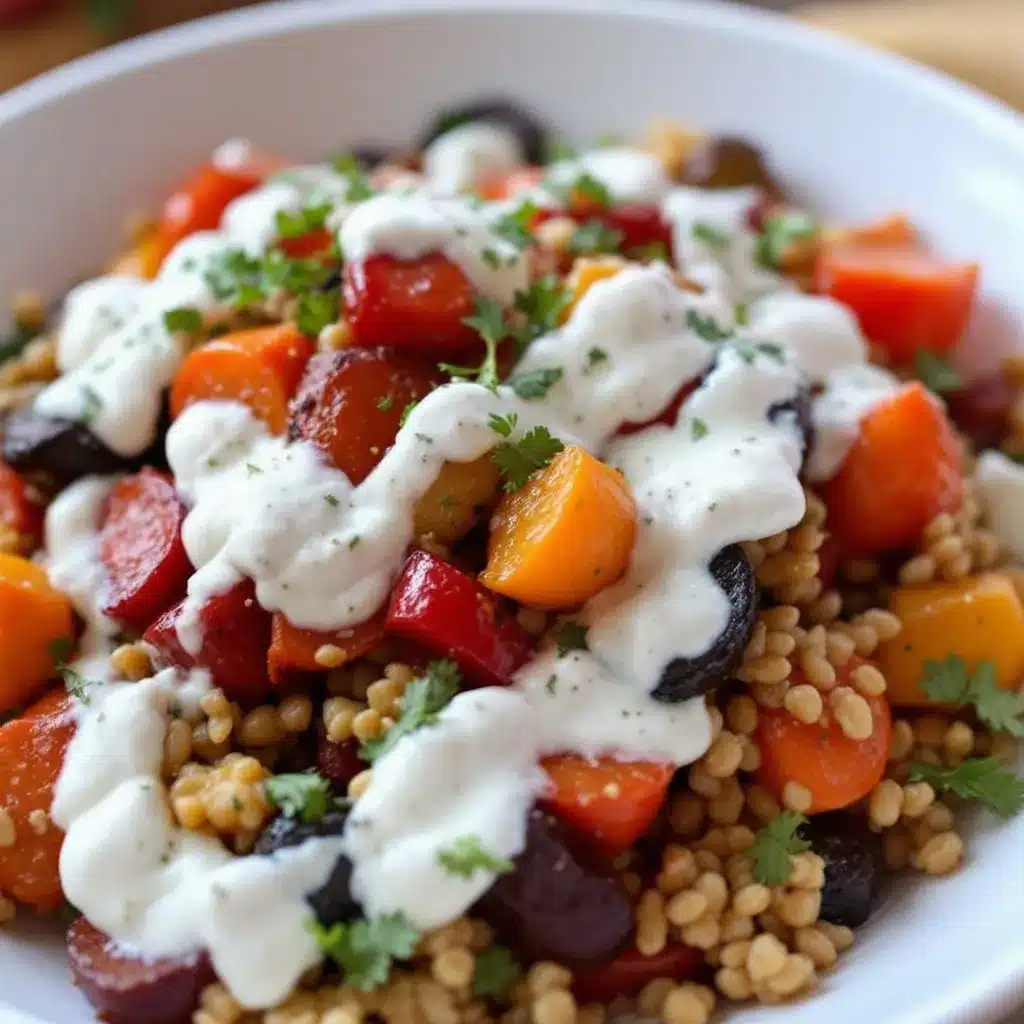
- Balsamic Vinegar: A good quality aged balsamic (12 years or older) is best, but standard table balsamic works fine if you reduce it slightly. (Adds tang and richness.)
- Extra Virgin Olive Oil: Use a robust oil to stand up to the strong vinegar flavor.
- Honey: Just a tablespoon to help with browning and balance the acidity.
- Garlic Powder: More reliable than fresh garlic, which can burn at high temperatures.
- Dried Thyme: Earthy and aromatic, pairs perfectly with root vegetables.
- Flaky Sea Salt: For finishing. (Use kosher salt for mixing.)
- Black Pepper: Freshly cracked for a bit of heat.
I recommend using Rao’s or Whittall Street balsamic vinegar for the best flavor profile, but any brand will work. If you can’t find fresh parsnips, frozen pre-cut ones work in a pinch, though you’ll need to thaw and dry them thoroughly first. For a gluten-free option, this recipe is naturally gluten-free. If you need a vegan version, just ensure your honey is swapped with maple syrup.
Equipment Needed
You don’t need anything fancy to make this recipe work. In fact, keeping it simple is part of the charm. The most critical tool is a large, heavy-duty baking sheet. Rimmed sheet pans are ideal because they contain any potential splatter from the balsamic, which can burn if it gets on the oven floor. I prefer a half-sheet pan (18×13 inches) because it gives the veggies enough room to breathe. If you use a smaller pan, the veggies will steam instead of roast, and you’ll lose that coveted crispiness.
A large mixing bowl is necessary for tossing the vegetables. Glass or stainless steel works best so you can see the coating evenly. You’ll also need a sharp chef’s knife and a cutting board. Uniformity in cutting is key here; if some pieces are huge and others are tiny, they’ll cook at different rates. A vegetable peeler is helpful for prepping the root veggies, and a pastry brush can be used if you want to glaze them again halfway through, though it’s not strictly necessary.
If you don’t have a heavy baking sheet, a cast-iron skillet is a great alternative. It holds heat incredibly well and can go from stove to oven if you want to sear them first. For budget-friendly options, standard aluminum sheet pans work fine, just make sure they aren’t warped. A warped pan won’t sit flat on the oven rack, leading to uneven cooking. Keep your baking sheets clean; residual oil from previous meals can alter the flavor of this delicate balsamic glaze.
Preparation Method
- Preheat the Oven: Start by heating your oven to 425°F (220°C). This high temperature is non-negotiable for getting crispy edges. If your oven runs hot or cold, use an oven thermometer to verify. (Time: 10 minutes to preheat.)
- Prep the Vegetables: Wash and peel all root vegetables. Cut them into uniform pieces. Carrots and parsnips should be cut into 1/2-inch thick batons or coins. Sweet potatoes and beets should be cubed to a similar size. Consistency ensures even cooking. (Time: 10 minutes.)
- Make the Glaze: In a large bowl, whisk together 3 tablespoons of olive oil, 2 tablespoons of balsamic vinegar, 1 tablespoon of honey, 1 teaspoon of garlic powder, 1 teaspoon of dried thyme, 1/2 teaspoon of salt, and 1/4 teaspoon of black pepper. The mixture should be emulsified and slightly thick. (Time: 2 minutes.)
- Toss the Veggies: Add the chopped vegetables to the bowl. Use your hands or a sturdy spatula to toss them until every piece is evenly coated. This is the most important step for flavor distribution. Ensure no dry spots remain. (Time: 3 minutes.)
- Arrange on Pan: Line your baking sheet with parchment paper for easy cleanup. Spread the vegetables in a single layer. Do not overcrowd the pan! If pieces are touching, they will steam. Use two pans if necessary. (Time: 2 minutes.)
- Roast: Place the pan in the oven. Roast for 20 minutes. After 20 minutes, remove the pan and flip or stir the vegetables. This ensures even browning on all sides. (Time: 20 minutes.)
- Final Roast: Return to the oven and roast for another 15-20 minutes, or until the edges are dark brown and crispy, and the centers are tender when pierced with a fork. Watch closely near the end to prevent burning. (Time: 15-20 minutes.)
- Rest and Serve: Remove from the oven and let cool for 5 minutes. This allows the glaze to set slightly. Sprinkle with flaky sea salt and fresh cracked pepper before serving. (Time: 5 minutes.)
Troubleshooting tip: If your veggies are browning too fast, lower the temperature to 400°F (200°C) and extend the cooking time by 10 minutes. If they are too soft, check your oven calibration; you might need a higher temp next time.
Cooking Tips & Techniques
The biggest mistake people make with roasted vegetables is overcrowding the pan. I learned this the hard way during a dinner party years ago. I stuffed my oven full of pans, and the result was a soggy, steamed mess. Everyone was polite, but no one went back for seconds. Since then, I’ve made spacing my golden rule. Air needs to circulate around each piece of vegetable to evaporate moisture and create that crispy texture. If your oven is small, roast in batches. It’s worth the extra effort.
Another technique is drying your vegetables thoroughly after washing. Water is the enemy of crispiness. If you toss wet veggies into the oven, the first 10 minutes will just be steaming them dry. Pat them down with a clean kitchen towel or paper towels before adding the oil. It adds an extra step, but the difference in texture is night and day.
Multitasking is key here. While the veggies roast, you can prepare your main protein or salad. The roasting process is mostly hands-off. Just remember to set a timer for the halfway mark to flip the veggies. This prevents them from burning on one side. I also suggest using a silicone spatula to scrape the bottom of the pan during the flip. This lifts any caramelized bits (fond) and distributes them over the vegetables, adding extra flavor.
For consistency, always use the same size pan. A dark metal pan will brown faster than a light aluminum one. If you switch between the two, adjust your time accordingly. Dark pans might need 5 minutes less. Finally, don’t skip the resting period. Letting the veggies sit for a few minutes after roasting allows the juices to redistribute and the glaze to thicken, making them easier to handle and more flavorful.
Variations & Adaptations
One of the best things about this medley is its adaptability. You can tweak it based on what you have on hand or what dietary needs you’re accommodating. Here are a few variations I love:
- Spicy Kick: Add 1/2 teaspoon of red pepper flakes or a diced jalapeño to the glaze mixture. The heat cuts through the sweetness of the balsamic beautifully. This pairs well with the crispy baked buffalo cauliflower bites if you’re making a veggie-heavy meal.
- Herb-Forward: Swap the thyme for rosemary or sage. These woody herbs complement earthy beets and carrots incredibly well. Add them in the last 10 minutes of roasting to prevent burning.
- Gluten-Free & Vegan: This recipe is naturally gluten-free. For a vegan version, swap the honey for maple syrup or agave nectar. The flavor profile remains nearly identical.
- Seasonal Swap: In spring, try adding asparagus or radishes in the last 10 minutes of roasting. In winter, add Brussels sprouts (halved) for a nutty, crispy contrast.
- Nutty Finish: Sprinkle toasted pecans or walnuts over the veggies just before serving. This adds a great crunch and elevates the dish for dinner parties.
I personally love adding a handful of pomegranate arils after roasting. The burst of acidity and color looks stunning against the deep orange and purple of the veggies. It’s a personal variation I’ve tried for years, and it always gets compliments.
Serving & Storage Suggestions
This medley is versatile enough to serve warm, at room temperature, or even cold. It’s excellent as a side dish for roast chicken or fish. Try pairing it with best grilled salmon with lemon garlic butter for a complete, balanced meal. The balsamic glaze also works wonderfully over salads or grain bowls. For a heartier option, serve it alongside cozy fall harvest grain bowl for a satisfying lunch.
Store leftovers in an airtight container in the refrigerator for up to 4 days. The flavors actually deepen overnight, making them delicious cold the next day. To reheat, use an air fryer or toaster oven at 350°F for 5-7 minutes. This restores the crispiness better than a microwave, which can make them soggy. If you must use the microwave, do it in short bursts and let them sit for a minute after heating.
You can also freeze roasted root vegetables, though the texture will change slightly upon thawing. They are best used in soups or stews after freezing rather than eaten as a side dish. For best results, cool them completely before freezing in a single layer on a baking sheet, then transfer to a freezer bag. They will last for 3 months. Flavors develop over time, so taste and adjust seasoning with a pinch of salt before reheating.
Nutritional Information & Benefits
This dish is not only delicious but also packed with nutrients. Root vegetables are rich in fiber, vitamins, and minerals. Carrots are high in beta-carotene, which converts to vitamin A and supports eye health. Sweet potatoes are loaded with vitamin C and potassium. Beets contain nitrates, which can help lower blood pressure and improve stamina. Parsnips provide fiber and folate.
Using olive oil adds heart-healthy monounsaturated fats, which help absorb these fat-soluble vitamins. The balsamic vinegar adds antioxidants without many calories. This recipe is naturally gluten-free, dairy-free, and vegan (with maple syrup). It’s a low-glycemic option if you balance the portion size with a protein source. Personally, I love this recipe because it makes eating vegetables feel indulgent rather than restrictive. It’s a wellness perspective that focuses on enjoyment and satisfaction.
Conclusion
This Crispy Balsamic Roasted Root Vegetable Medley is a testament to the power of simple ingredients and high heat. It’s a recipe that emerged from chaos and turned into a favorite. I hope you try it and find your own happy accidents in the kitchen. Feel free to customize it with your favorite veggies or spices. If you make this, I’d love to hear how it turned out for you. Leave a comment below with your variations or tips. Share this recipe with friends who need a healthy side dish that actually tastes amazing. Happy cooking!
FAQs
Can I use frozen root vegetables?
Yes, but you must thaw and thoroughly dry them first. Frozen veggies release a lot of water, which can prevent crisping. Pat them dry with paper towels before tossing in the oil.
Why are my vegetables soggy?
Most likely, you overcrowded the pan. Veggies need space to breathe. If they are touching, they steam. Use two pans or roast in batches for maximum crispiness.
Can I make this ahead of time?
You can prep the vegetables and toss them in the glaze up to 24 hours in advance. Store them in the fridge in an airtight container. Roast them directly from the fridge, adding 5-10 minutes to the cooking time.
What vinegar can I use if I don’t have balsamic?
You can use apple cider vinegar or red wine vinegar. You may need to add a bit more honey or sugar to balance the acidity, as balsamic is naturally sweeter.
How do I know when the veggies are done?
They are done when they are tender when pierced with a fork and have dark, caramelized edges. The exact time depends on the size of your cuts and your oven, so check frequently in the last 10 minutes.
Pin This Recipe!
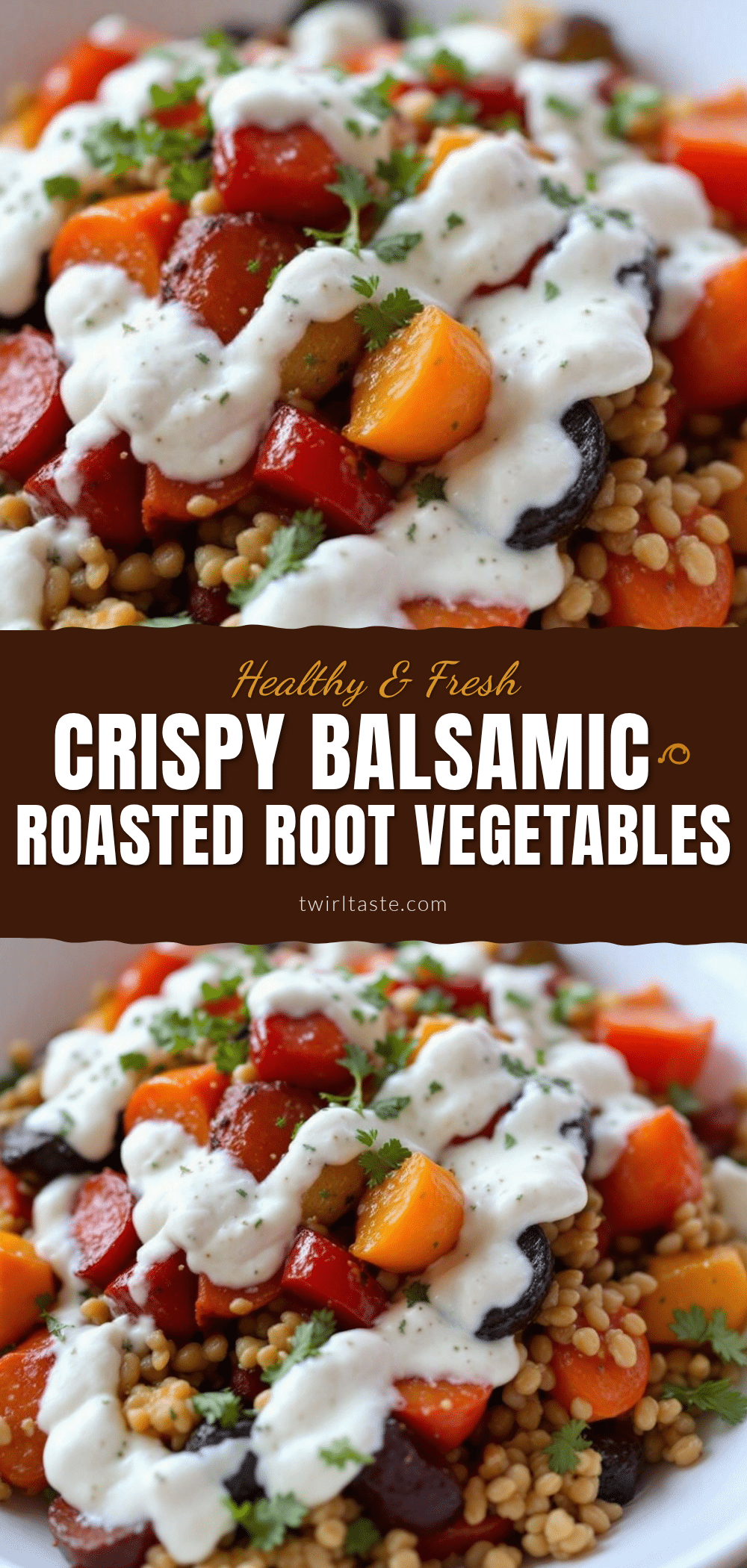
Crispy Balsamic Roasted Root Vegetable Medley
A quick and easy side dish featuring root vegetables roasted at high heat with a tangy balsamic glaze for crispy, caramelized edges.
- Prep Time: 10 minutes
- Cook Time: 40 minutes
- Total Time: 50 minutes
- Yield: 4 servings 1x
- Category: Side Dish
- Cuisine: American
Ingredients
- Carrots, peeled and cut into 1/2-inch batons or coins
- Parsnips, peeled and sliced into rounds
- Sweet potatoes, peeled and cubed
- Beets, pre-cooked or raw peeled and cubed
- Fennel bulb, sliced thinly (optional)
- 3 tablespoons extra virgin olive oil
- 2 tablespoons balsamic vinegar
- 1 tablespoon honey (or maple syrup for vegan)
- 1 teaspoon garlic powder
- 1 teaspoon dried thyme
- 1/2 teaspoon kosher salt
- 1/4 teaspoon black pepper
- Flaky sea salt for finishing
Instructions
- Preheat oven to 425°F (220°C).
- Wash and peel all root vegetables, cutting them into uniform pieces to ensure even cooking.
- In a large bowl, whisk together olive oil, balsamic vinegar, honey, garlic powder, dried thyme, salt, and black pepper.
- Add the chopped vegetables to the bowl and toss until every piece is evenly coated.
- Line a large baking sheet with parchment paper and spread vegetables in a single layer, ensuring they are not overcrowded.
- Roast for 20 minutes, then remove the pan to flip or stir the vegetables.
- Return to the oven and roast for another 15-20 minutes until edges are dark brown and crispy.
- Remove from oven and let cool for 5 minutes to allow glaze to set.
- Sprinkle with flaky sea salt and fresh cracked pepper before serving.
Notes
Ensure vegetables are dry before tossing in oil to maximize crispiness. Do not overcrowd the pan; roast in batches if necessary. For vegan version, substitute honey with maple syrup. If veggies brown too fast, lower temperature to 400°F.
Nutrition
- Serving Size: 1 cup
- Calories: 180
- Sugar: 12
- Sodium: 350
- Fat: 9
- Saturated Fat: 1
- Carbohydrates: 24
- Fiber: 5
- Protein: 2
Keywords: roasted vegetables, balsamic glaze, root vegetables, healthy side dish, vegan, gluten-free, crispy veggies, fall recipes