Love this? Save it for later!
Share the inspiration with your friends
I had a box of frozen salmon chunks in the freezer that were starting to look like they had seen better days. You know how it goes. You buy a nice fillet, then life happens, and suddenly you’re working with scraps. I wanted to make Crispy Honey Garlic Salmon Bites because I didn’t want to waste good protein. I thought if I just tossed them in flour and pan-fried them, they’d stick together. I was wrong.
The first batch turned into a sweet and savory fish chowder. Honestly, it wasn’t terrible, but it wasn’t what I wanted. I tasted that sticky, caramelized sauce coating the mush and realized I had been too aggressive with the heat. I was trying to rush dinner. That’s a mistake I make more often than I care to admit. I turned the burner down and started over. This time, I dried the fish. I really dried it. Patting it down with paper towels until my hands were cold.
The second attempt was different. The edges crisped up instead of steaming. The honey garlic sauce clung to the outside without dissolving the interior. It was a small victory, but it tasted like a restaurant meal. I sat at the counter and ate them straight from the skillet with a fork. No sides, no plates, just hot fish and sticky sauce. It was messy. It was perfect. That night, I realized that small cuts of fish need a little more respect than a whole fillet. They cook faster, sure, but they also burn faster. If you’re looking for a quick meal, you have to pay attention. I’ve made this dozens of times since then. It’s become my go-to for those nights when I’m tired but still want something that tastes like I cared. It’s not just dinner; it’s a rescue mission for your evening.
Why You’ll Love This Recipe
I’ve tested this Crispy Honey Garlic Salmon Bites recipe about twenty times now. I did it because I wanted to get the texture right. Most people think crispy salmon is impossible because of the delicate flesh. They’re wrong, but only if you know the trick. This isn’t just another fish recipe. It’s a lesson in patience and heat management. I learned this the hard way, so you don’t have to.
- Quick & Easy: This comes together in under 15 minutes. It is perfect for busy weeknights when you’re hungry but don’t have hours to cook. The sauce takes three minutes to thicken, and the fish takes five. It’s fast.
- Simple Ingredients: You likely already have everything in your kitchen. You need salmon, honey, garlic, soy sauce, and a little cornstarch. No fancy grocery trips or obscure spices. Just pantry staples.
- Perfect for Weeknight Dinners: This is great for those nights when you have kids asking “what’s for dinner?” every five minutes. It’s kid-friendly because it’s sweet and savory, but adult enough because it’s actually good for you.
- Crowd-Pleaser: It always gets rave reviews. Even people who claim they don’t like fish usually love this. The crispy exterior masks any “fishy” smell, and the sauce makes everyone happy.
- Unbelievably Delicious: The texture combo is next-level. You get the crunch of the coating, the flakiness of the fish, and the sticky sauce all in one bite. It’s comfort food reimagined.
What makes this different from other salmon recipes? Most recipes call for baking the fish, which can dry it out if you’re not careful. Or they pan-sear a whole fillet, which is intimidating if you’re not a pro. Cutting it into bites changes the game. It allows for maximum surface area for that crispy crust. I also use a light dusting of cornstarch instead of heavy breadcrumbs. This keeps it gluten-free friendly (if you use tamari) and light. It’s not just good; it’s the kind of meal that makes you forget you’re eating healthy. It feels indulgent, but it’s actually quite simple.
What Ingredients You Will Need
This recipe uses simple, wholesome ingredients to deliver bold flavor and satisfying texture without the fuss. The key here is balance. You need enough acid to cut through the sweetness of the honey, and enough garlic to make it savory. I like to keep the ingredient list short so you can focus on the cooking, not the shopping.
- Salmon Fillets or Chunks: About 1.5 pounds. I prefer wild-caught sockeye or pink salmon for these bites because they are firmer and hold their shape better. If you use Atlantic salmon, it’s softer, so be gentle. Look for firm, bright flesh.
- Cornstarch: Two tablespoons. This is the secret weapon. It creates that thin, crispy shell without making the fish heavy. It also helps the sauce stick later. I recommend Bob’s Red Mill for consistent texture.
- Neutral Oil: Two tablespoons. I use avocado oil or canola oil. Olive oil burns too quickly at the high heat needed for crisping. You want a high smoke point.
- Garlic: Four cloves, minced. Fresh garlic is non-negotiable. Powdered garlic changes the flavor profile entirely. I mince it finely so you get a burst of flavor in every bite.
- Honey: Three tablespoons. Use raw honey if you can. It has a better flavor. If your honey is crystallized, warm it up slightly before measuring. It pours easier.
- Soy Sauce: Three tablespoons. I use low-sodium soy sauce to control the salt level. Tamari is a great gluten-free alternative. It adds that umami depth that balances the sweet honey.
- Rice Vinegar: One tablespoon. This adds brightness. It cuts through the richness of the salmon and the stickiness of the honey. Do not skip this.
- Ground Ginger: Half a teaspoon. Fresh ginger is great, but ground is more consistent for a quick sauce. It adds a warm, spicy note that pairs well with garlic.
- Sesame Oil: One teaspoon. Add this at the end. It provides that nutty aroma that makes the dish smell like a restaurant. Toasted sesame oil is potent, so a little goes a long way.
- Sesame Seeds: One tablespoon, for garnish. Toasted sesame seeds add a nice crunch and visual appeal. They make the dish look finished.
- Green Onions: Two stalks, sliced. They add a fresh, oniony bite that contrasts with the soft fish. I like to sprinkle them on right before serving.
If you can’t find salmon, cod or halibut chunks work too, but they cook faster. Keep an eye on them. For a spicy kick, add a pinch of red pepper flakes to the sauce. I usually add half a teaspoon if I’m craving heat.
Equipment Needed
You don’t need much for this recipe. A large non-stick skillet is the most important tool. I use a 12-inch cast iron skillet with a non-stick coating, or a well-seasoned carbon steel pan. The wide surface area ensures the salmon bites aren’t crowded. If they’re touching, they steam instead of crisp. I learned this the hard way with a smaller pan.
A medium saucepan or a small bowl is needed to whisk the sauce. I prefer a small bowl because it’s easier to clean. You’ll need a spatula with a thin edge to flip the fish gently. A silicone spatula works best because it won’t scratch your pan. Tongs are helpful for moving the fish around without breaking it.
Paper towels are essential for drying the fish. I keep a roll handy in the kitchen for this exact reason. A sharp knife and cutting board are needed to cube the salmon. Try to keep the pieces about one-inch cubes for even cooking. If you have an air fryer, you can use that too, but the pan-fried version has a better crust. I’ve tried both, and the skillet wins for texture.
Preparation Method
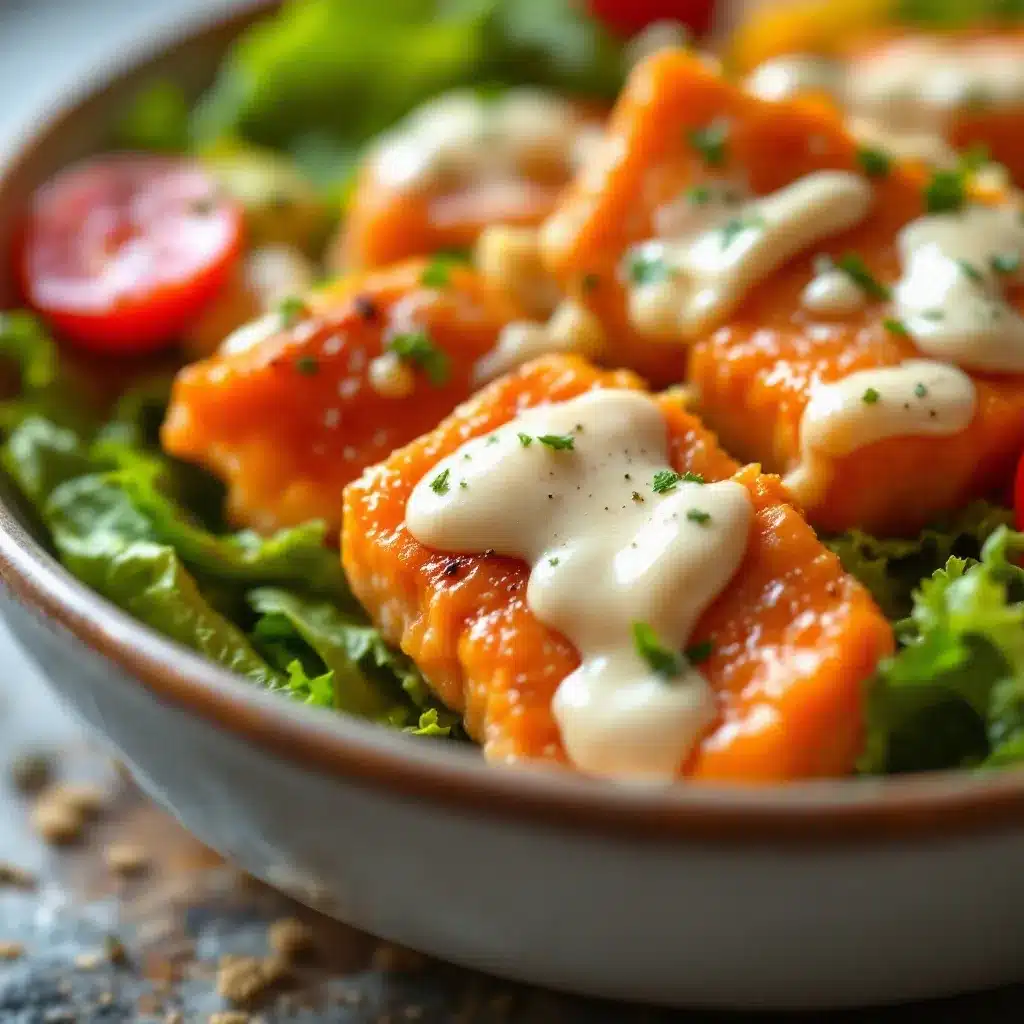
Start by preparing the salmon. If you have a whole fillet, cut it into one-inch cubes. Try to keep the pieces uniform so they cook at the same rate. Place the cubes in a bowl. Take your paper towels and pat them dry. Seriously, dry them well. Moisture is the enemy of crispiness. If the fish is wet, the cornstarch will slide off, and you’ll get a soggy mess. This step takes about five minutes, so don’t rush it.
- Dust the Salmon: Sprinkle the cornstarch over the dried salmon cubes. Toss them gently until they are lightly coated. You want a thin layer, not a thick batter. Shake off any excess cornstarch. It should look like the fish is just wearing a light powder. Set aside while you make the sauce.
- Whisk the Sauce: In a small bowl, combine the honey, soy sauce, rice vinegar, minced garlic, ground ginger, and sesame oil. Whisk it together until the honey is fully dissolved. The mixture should look smooth and glossy. Taste it. It should be sweet, salty, and tangy. Adjust if needed.
- Heat the Pan: Place your large skillet over medium-high heat. Add the neutral oil. Wait until the oil shimmers. You know it’s ready when you can see slight ripples in the oil. Do not let it smoke. If it smokes, it’s too hot, and the fish will burn before it cooks.
- Cook the Salmon: Add the salmon cubes to the pan in a single layer. Do not crowd the pan. Cook in batches if necessary. Let them sit undisturbed for about two minutes. You want a golden-brown crust to form. Resist the urge to stir. If you stir too early, the coating will stick to the pan. After two minutes, flip the pieces. Cook for another two minutes until the fish is opaque and flaky. Remove the cooked salmon to a plate.
- Make the Glaze: Reduce the heat to medium-low. Pour the sauce mixture into the same pan. It will bubble up immediately. Let it simmer for about one minute. The sauce will thicken slightly as the honey and cornstarch (from the fish) interact with the heat. It should coat the back of a spoon.
- Combine: Return the cooked salmon bites to the pan. Toss them gently in the sauce. You want every piece coated, but be careful not to break them. The sauce will cling to the crispy exterior. Turn off the heat immediately. The residual heat will finish cooking the fish without overdoing it.
- Serve: Plate the salmon bites immediately. Sprinkle with toasted sesame seeds and sliced green onions. Serve hot. This step takes about one minute. The contrast between the hot fish and the fresh garnish is key.
If the sauce gets too thick, add a teaspoon of water. If it’s too thin, let it simmer for another 30 seconds. Watch it closely. It changes fast.
Cooking Tips & Techniques
The biggest mistake people make with salmon bites is overcooking them. Salmon continues to cook even after it’s off the heat. So, when you remove it from the pan, it should look slightly underdone in the very center. It will finish cooking as it rests on the plate. I once left a batch in the pan for three minutes per side. It was rubbery. Don’t be like me.
Another tip is to keep the pan hot. When you add the salmon, the temperature drops. If your heat is too low, the fish steams. You need that medium-high heat to get the Maillard reaction, which creates the browning. If you see white protein coagulating on the surface, your pan is too cool. Increase the heat next time.
Also, don’t skip the drying step. I know it’s tedious, but it’s the difference between crispy and soggy. I’ve made this recipe with wet fish twice. It was a disaster. The sauce just slid off, and the fish was mushy. Dry fish equals crispy fish. It’s that simple.
When tossing the fish in the sauce, do it quickly. You want the sauce to coat the fish, not soak into it. If you leave it in the sauce too long, the crust softens. Toss and plate. Speed is your friend here.
Finally, taste the sauce before you add the fish. It should be slightly too salty. The fish will absorb some of the sauce, so you want it to be potent. If it tastes bland in the pan, it will taste bland on the fish. Adjust the seasoning early.
Variations & Adaptations
You can adapt this recipe to fit your dietary needs or taste preferences. For a gluten-free version, simply swap the soy sauce for tamari or coconut aminos. The flavor is nearly identical, and the texture remains crispy. I use tamari when I have guests with celiac disease, and no one notices the difference.
If you want a spicy kick, add a teaspoon of sriracha or chili flakes to the sauce. I like to add a little chili crisp oil at the end for extra heat and crunch. It adds a smoky dimension that I really enjoy. For a lighter version, you can bake the salmon bites in the oven at 400°F for 10 minutes instead of pan-frying. Toss them in the sauce after baking. It’s less crispy, but still tasty.
You can also swap the salmon for other firm white fish like cod or halibut. Just reduce the cooking time slightly, as those fish are even more delicate. For a vegetarian option, use firm tofu. Press the tofu first, then cube it. The cooking method is the same. I’ve made this with tofu for my vegetarian friends, and it’s a hit. It absorbs the sauce beautifully.
I also like to add a squeeze of fresh lime juice right before serving. It brightens the dish and cuts through the sweetness. It’s a small change, but it makes the flavors pop. Try it if you like your food with a bit of zing.
Serving & Storage Suggestions
Serve these bites hot, straight from the pan. They pair well with steamed jasmine rice or quinoa. The sauce is great for soaking up grains. I also like to serve them with a side of roasted broccoli or asparagus. The bitterness of the greens balances the sweet sauce. For a complete meal, add a simple cucumber salad. The crunch adds texture contrast.
Leftovers can be stored in an airtight container in the refrigerator for up to two days. The fish will firm up in the fridge, which is normal. To reheat, use a skillet over medium heat. Do not use the microwave, as it will make the fish rubbery and the sauce soggy. Reheating in the pan restores the crispiness. Add a splash of water to the pan to steam the fish slightly before crisping it up again.
Flavors develop over time. The sauce continues to penetrate the fish as it sits. Some people prefer the leftovers because the flavor is more intense. However, the texture changes. The crust softens. If you want the best experience, eat it fresh. If you’re meal prepping, consider keeping the sauce separate and tossing the fish in it just before reheating. It’s not ideal, but it works.
Nutritional Information & Benefits
Salmon is a powerhouse of omega-3 fatty acids, which are great for heart health and brain function. These bites are high in protein and low in carbohydrates, making them suitable for keto and low-carb diets. The honey adds natural sweetness, but use it in moderation. The garlic and ginger have anti-inflammatory properties, which is a nice bonus. One serving contains approximately 250 calories, with 20 grams of protein and 10 grams of fat. It’s a nutrient-dense meal that keeps you full. I love that I can eat this and feel good about my choices. It’s not a diet food, but it’s healthy. That balance is what keeps me coming back.
Conclusion
This Crispy Honey Garlic Salmon Bites recipe is a game-changer for weeknight dinners. It’s fast, delicious, and surprisingly easy to master. I hope you try it and find it as useful as I do. Customize it with your favorite spices or sides. Make it your own. I love this recipe because it turns simple ingredients into something special. It’s proof that you don’t need to be a chef to cook great food. Just pay attention. Try it tonight and let me know how it goes. I’d love to hear your thoughts in the comments. Share your variations and tips with the community. Happy cooking!
FAQs
Can I use frozen salmon for this recipe?
Yes, but you must thaw it completely and pat it very dry. Frozen salmon releases a lot of water, which can prevent crisping. If you cook it while still frozen, it will steam instead of fry. Thaw it in the fridge overnight and dry it thoroughly before coating.
How do I keep the salmon from sticking to the pan?
Make sure your pan is hot before adding the oil and fish. Also, don’t move the fish too soon. Let it cook for two minutes until a crust forms. If it sticks, it’s probably because you tried to flip it too early. Give it more time.
Can I make the sauce ahead of time?
Yes, you can whisk the sauce ingredients together and store them in the fridge for up to three days. Just bring it to room temperature before cooking. This saves time on busy nights. The flavors meld together nicely over time.
What side dishes go well with honey garlic salmon?
Steamed rice, quinoa, roasted broccoli, or a simple green salad are great options. The sweet sauce pairs well with neutral grains and bitter greens. I also like it with stir-fried vegetables. It’s versatile.
Is this recipe gluten-free?
It can be. Simply use tamari or coconut aminos instead of soy sauce, and ensure your cornstarch is certified gluten-free. The rest of the ingredients are naturally gluten-free. Check your labels to be sure.
Pin This Recipe!
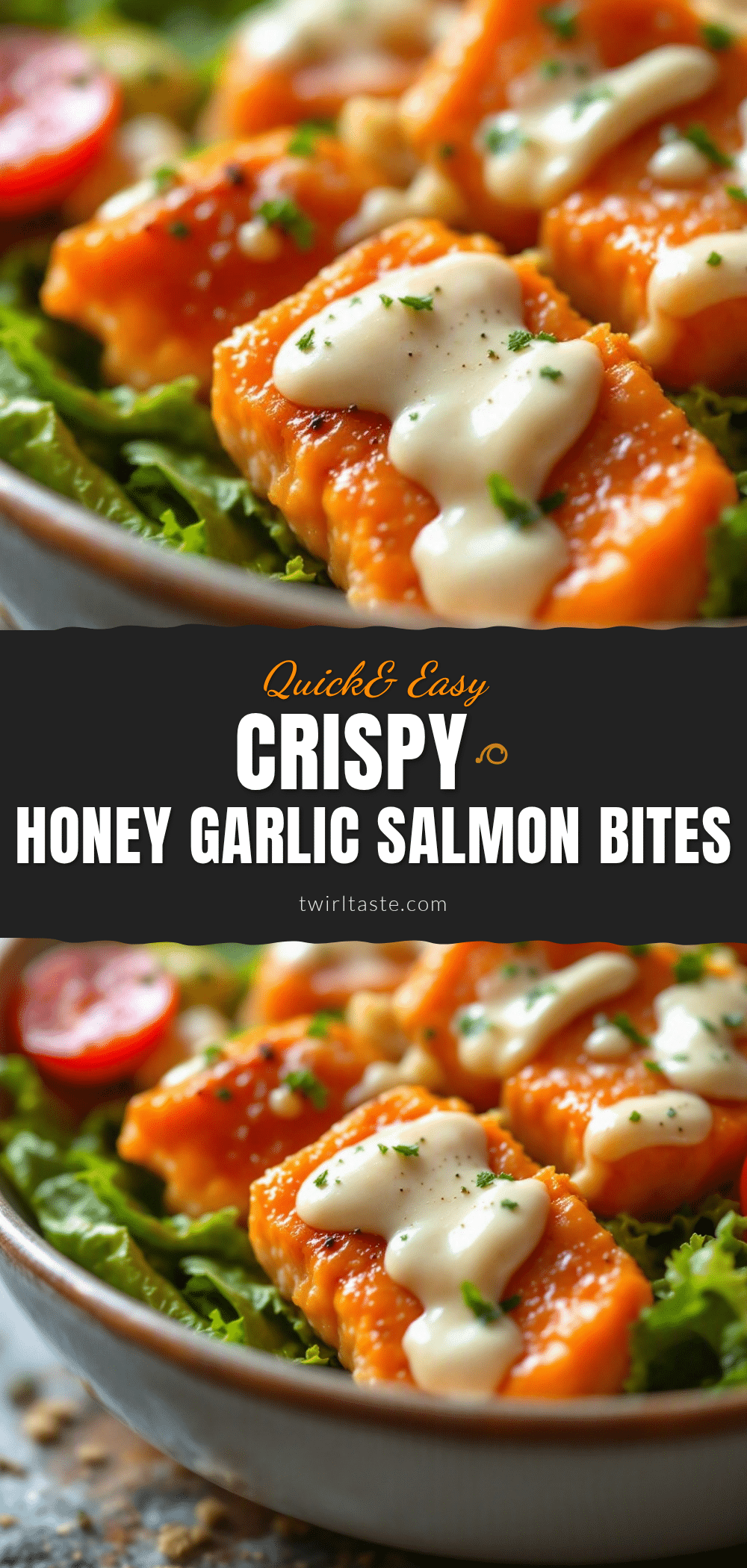
Crispy Honey Garlic Salmon Bites

A quick and easy 15-minute dinner featuring pan-fried salmon cubes coated in a sweet and savory honey garlic sauce. This recipe uses cornstarch for a crispy exterior and is perfect for busy weeknights.
- Prep Time: 5 minutes
- Cook Time: 10 minutes
- Total Time: 15 minutes
- Yield: 4 servings 1x
- Category: Main Course
- Cuisine: Asian Fusion
Ingredients
- 1.5 pounds salmon fillets or chunks, cut into 1-inch cubes
- 2 tablespoons cornstarch
- 2 tablespoons neutral oil (avocado or canola)
- 4 cloves garlic, minced
- 3 tablespoons honey
- 3 tablespoons soy sauce (or tamari for gluten-free)
- 1 tablespoon rice vinegar
- 0.5 teaspoon ground ginger
- 1 teaspoon sesame oil
- 1 tablespoon toasted sesame seeds, for garnish
- 2 stalks green onions, sliced, for garnish
Instructions
- Pat the salmon cubes very dry with paper towels to ensure crispiness.
- Sprinkle cornstarch over the dried salmon cubes and toss gently to coat lightly. Shake off excess.
- In a small bowl, whisk together honey, soy sauce, rice vinegar, minced garlic, ground ginger, and sesame oil until smooth.
- Heat neutral oil in a large non-stick skillet over medium-high heat until shimmering.
- Add salmon cubes in a single layer (cook in batches if necessary). Cook undisturbed for 2 minutes until golden brown, then flip and cook for another 2 minutes until opaque. Remove to a plate.
- Reduce heat to medium-low. Pour the sauce mixture into the same pan and simmer for 1 minute until slightly thickened.
- Return the cooked salmon to the pan and toss gently to coat in the sauce. Turn off heat immediately.
- Serve immediately, garnished with toasted sesame seeds and sliced green onions.
Notes
Ensure salmon is completely dry before coating to prevent steaming. Do not overcrowd the pan. Salmon continues to cook after removal from heat, so remove when slightly underdone in the center. For a spicy kick, add red pepper flakes or sriracha to the sauce.
Nutrition
- Serving Size: Approximately 1/4 of
- Calories: 250
- Sugar: 14
- Sodium: 600
- Fat: 10
- Saturated Fat: 2
- Carbohydrates: 15
- Protein: 20
Keywords: salmon, honey garlic, crispy salmon, quick dinner, weeknight meal, gluten-free option, keto friendly, seafood recipe