Love this? Save it for later!
Share the inspiration with your friends
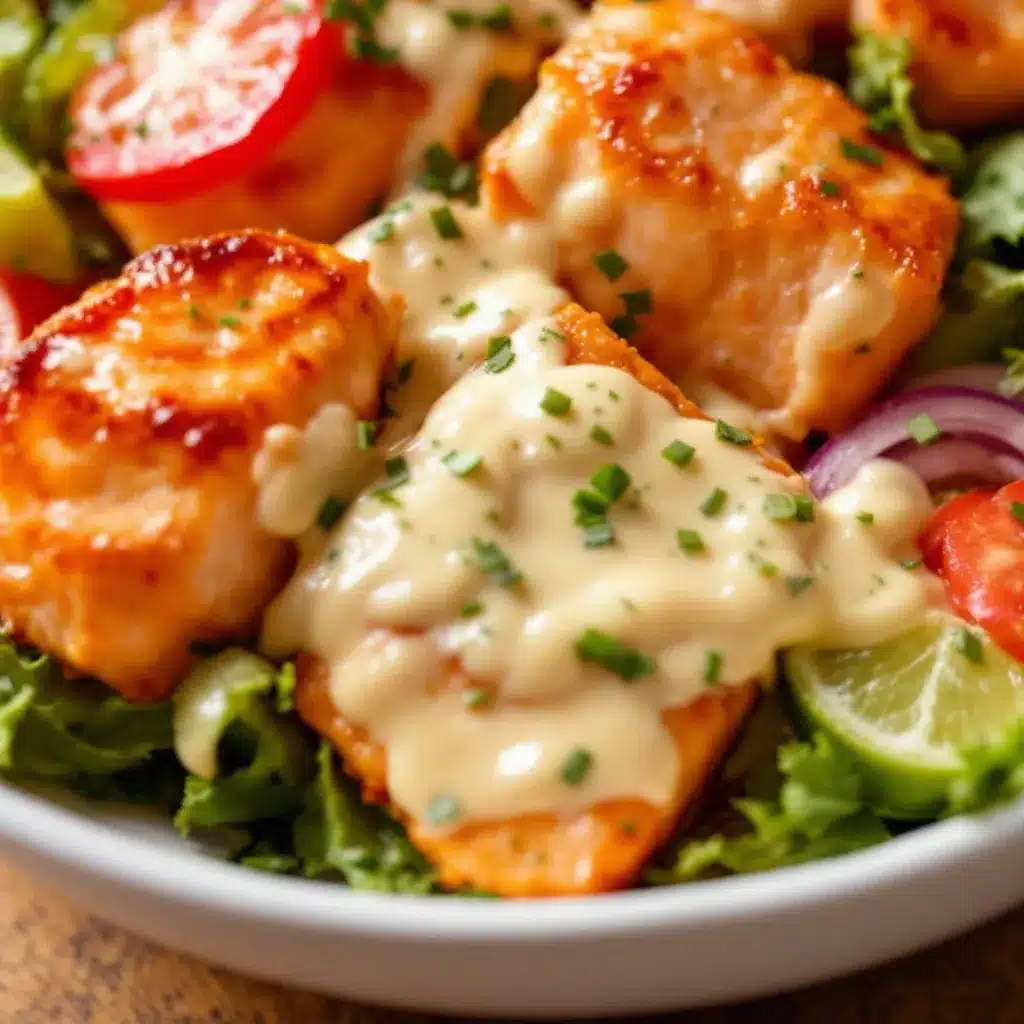
That is the whole point. I don’t cook for the nutrition label, and honestly, the flavor profile is just the bonus. I cook for that sound. You know the one. It’s the sharp crackle when your teeth hit the seared exterior of the salmon before giving way to the tender, flaky interior. It’s the visual of the honey-garlic sauce bubbling and thickening in the pan, turning from a thin liquid into a glossy coating that refuses to let go.
Last Tuesday, I was rushing. You know that feeling when the clock says 5:30 PM but you haven’t started dinner, and your stomach is making noises that are frankly embarrassing. I had a fillet of salmon sitting on the counter, looking a little lonely. I didn’t want to bother with a complex marinade or wait for the oven to preheat. I just wanted something fast, something with punch, and something that felt like a treat rather than a chore.
So I threw some cubes in the pan. I tossed them in cornstarch because I wanted that restaurant-quality crust, and then I whipped up a quick sauce with honey, soy, and more garlic than I probably should. The result wasn’t just dinner. It was a moment of pure, sticky satisfaction. The texture was the star, honestly. The contrast between the shatteringly crisp outside and the melt-in-your-mouth fish inside is what keeps me coming back to this method. Everything else is secondary.
I’ve made this one-pan honey garlic chicken before, and while it’s delicious, the salmon version has a different kind of magic. It’s lighter, yet somehow feels richer because of the glaze. I realized halfway through eating that I wasn’t just hungry anymore; I was content. The kind of content that comes from eating something you made yourself in under twenty minutes. It’s that simple, textured perfection that sticks in your mind long after the plate is clean.
Why You’ll Love This Recipe
There are a thousand ways to cook salmon, but most of them leave you with something mushy or bland. This recipe changes the game entirely. It’s not just about the taste; it’s about the experience of eating it. When I tested this, I tried several different coatings. Cornstarch was the winner every single time. It creates that protective barrier that keeps the moisture in while allowing the outside to get dangerously crisp.
- Quick & Easy: This comes together in under 15 minutes. It is perfect for those busy weeknights when you are staring at the fridge hoping the ingredients will magically organize themselves.
- Simple Ingredients: No fancy grocery trips needed. You likely already have honey, garlic, soy sauce, and cornstarch in your pantry. It’s the ultimate “use what you have” meal.
- Perfect for Weeknights: Whether you are tired from work or just hate doing dishes, this one-pan wonder is your best friend. It cooks fast and cleans up even faster.
- Crowd-Pleaser: I served this to my neighbors last month, and they asked for the recipe before the plate was even empty. Kids and adults alike love the sweet and savory combo.
- Unbelievably Delicious: The texture and flavor combo is next-level comfort food. It feels like takeout, but it’s actually good for you.
What makes this recipe different from the rest is the technique. Most people just throw raw salmon in a pan with sauce and hope for the best. That leads to steamed fish. By searing the coated bites first, we lock in that crunch. Then, we deglaze the pan with the sauce, letting it reduce into a sticky glaze that coats every single piece. It’s a small step that makes a massive difference.
It’s the kind of meal that makes you close your eyes after the first bite. It’s comfort food reimagined—healthy, fast, but with the same soul-soothing satisfaction as a heavy meal. It’s perfect for impressing guests without stress, or turning a simple Tuesday dinner into something memorable.
What Ingredients You Will Need
This recipe uses simple, wholesome ingredients to deliver bold flavor and satisfying texture without the fuss. The key here is quality over quantity. You don’t need a dozen spices when you have good honey and fresh garlic. The cornstarch is non-negotiable for that specific crunch, and the soy sauce provides the salty umami backbone that balances the sweetness.
- Salmon Fillets: Use fresh, sustainably sourced salmon. Cut into 1-inch cubes. Firm texture works best so they don’t fall apart in the pan.
- Cornstarch: This is the secret weapon. It creates a light, crispy shell. I prefer cornstarch over flour because it stays crispier longer and doesn’t get gummy.
- Neutral Oil: Avocado oil or grapeseed oil works great. Olive oil can burn at high heat, so keep that in mind.
- Garlic: Freshly minced garlic is a must. Jarred garlic just doesn’t have the same punch. Use about four cloves for this amount of fish.
- Honey: Good quality honey makes a huge difference. If it’s too runny, the sauce might be thinner, but it still tastes great. Raw honey adds a floral note.
- Soy Sauce: Regular soy sauce or tamari for gluten-free. It adds the salty depth that balances the honey.
- Rice Vinegar: A splash of acidity to cut through the richness. It brightens up the whole dish.
- Red Pepper Flakes: Optional, but I recommend them. Just a pinch adds a subtle heat that keeps the flavor from being too sweet.
- Green Onions: For garnish. They add a fresh, oniony crunch that looks pretty on the plate.
If you are looking to substitute, you can use almond flour instead of cornstarch for a nuttier flavor, but the texture will be slightly different. For a gluten-free option, make sure to use tamari instead of regular soy sauce. I also like to add a little ginger to the sauce if I have it, but it’s not strictly necessary. The core ingredients are really just about balance.
Equipment Needed
You don’t need a lot of fancy gear for this. A large non-stick skillet is your best friend here. I use a 12-inch skillet because it gives the salmon bites enough room to sear properly. If they are crowded, they will steam instead of crisp up. A non-stick surface ensures that the sticky honey sauce doesn’t burn onto the bottom of the pan.
You’ll also need a sharp chef’s knife to cut the salmon into even cubes. Uniform pieces cook at the same rate, which prevents some bites from being undercooked while others are overdone. A small bowl for tossing the salmon in cornstarch is helpful, as is a small saucepan or just using the same skillet to reduce the sauce. I usually just make the sauce in the same pan after removing the salmon, which means less cleanup.
A silicone spatula is essential for stirring the sauce without scratching your pan. Tongs are useful for flipping the salmon bites. If you don’t have a non-stick skillet, a well-seasoned cast iron pan works too, but you’ll need to be careful with the acidity in the sauce potentially affecting the seasoning if left too long. Budget-friendly options like a basic stainless steel skillet can work if you use enough oil to prevent sticking.
Preparation Method
- Prep the Salmon (5 minutes): Start by patting your salmon fillets completely dry with paper towels. Moisture is the enemy of crispiness. Cut the salmon into 1-inch cubes. Place them in a large bowl. Sprinkle the cornstarch over the fish. Toss gently until every piece is lightly coated. It should look dusty, not pasty. This step is crucial for the texture.
- Heat the Pan (2 minutes): Place your large skillet over medium-high heat. Add the neutral oil. Let it heat up until it shimmers. You want it hot enough to sizzle when the salmon hits it, but not smoking. This usually takes about two minutes. If the oil is too cool, the salmon will absorb it and become greasy.
- Seal the Salmon (8 minutes): Carefully add the salmon cubes to the pan in a single layer. Do not overcrowd the pan. Cook in batches if necessary. Let them sit undisturbed for 2-3 minutes. You want a golden crust to form. Flip the pieces and cook for another 2-3 minutes until they are cooked through but still moist. Remove the salmon from the pan and set aside on a plate. Don’t clean the pan; those browned bits are flavor gold.
- Make the Sauce (2 minutes): Reduce the heat to medium. Add the minced garlic to the same pan. Sauté for about 30 seconds until fragrant. Be careful not to burn it. Add the honey, soy sauce, rice vinegar, and red pepper flakes. Stir constantly. The sauce will bubble and start to thicken quickly. Let it cook for about 1-2 minutes until it coats the back of a spoon.
- Combine and Serve (1 minute): Return the cooked salmon bites to the pan. Toss them gently in the sauce until every piece is glazed. Remove from heat immediately. The residual heat will finish cooking the sauce without making it too thick or sticky in a bad way. Garnish with sliced green onions and serve immediately while hot and crispy.
The key here is timing. You want to combine the salmon with the sauce at the very last second. If you let them sit in the sauce too long, the crust will get soggy. It’s a delicate balance, but once you get the rhythm, it’s effortless.
Cooking Tips & Techniques
I learned this the hard way. Early on, I would mix the sauce and salmon too early, resulting in a mushy mess. Now, I treat the crust like glass. Handle it with care. One common mistake is cutting the salmon too small. If the pieces are tiny, they lose their texture and become just fish bits. Keep them substantial.
Another tip is about the heat. Medium-high is the sweet spot. Too high, and the garlic burns before the sauce thickens. Too low, and the salmon doesn’t get that nice sear. I also recommend using a thermometer if you are unsure about your fish. Salmon is done at 145°F, but I pull it off at 135°F because it continues to cook in the hot sauce.
Multitasking is key here. While the salmon is searing in batches, you can have your sauce ingredients measured and ready to go. This way, as soon as the fish is out, you can start the sauce. It feels like magic, but it’s just preparation. Consistency comes from practice. Once you know how your stove behaves, you’ll nail this every time.
Variations & Adaptations
This recipe is a canvas. You can change it up depending on what you have or what you’re craving. For a spicy kick, add sriracha to the sauce. I love the heat it brings. For a tropical twist, swap the soy sauce for coconut aminos and add a little pineapple juice to the mix. It changes the flavor profile completely but keeps the technique the same.
If you want to keep it lighter, you can skip the cornstarch and just sear the salmon with salt and pepper. It won’t be as crispy, but it will be healthier. For a gluten-free version, use tamari and check your honey to ensure it’s processed without cross-contamination. I also like to add sesame seeds to the sauce for extra crunch and nuttiness. It’s a small addition that makes a big difference.
Another variation is adding vegetables. Broccoli florets or snap peas can be tossed in the pan with the salmon for the last minute of cooking. They absorb the sauce beautifully and add a nice crunch. I tried this with bell peppers once, and it was delicious. The possibilities are really endless.
Serving & Storage Suggestions
Serve these bites hot, right out of the pan. They pair beautifully with steamed jasmine rice or quinoa. The sauce is perfect for soaking up with grains. I also like to serve them with a side of roasted asparagus or a simple green salad with a vinaigrette. The acidity in the salad cuts through the richness of the honey glaze.
If you have leftovers, store them in an airtight container in the refrigerator for up to three days. The salmon will hold up well, but the crust will soften. To reheat, use a skillet over medium heat to try and restore some crispiness. The microwave will make them soft and rubbery, so avoid that if you can. The flavors actually meld together nicely after a day in the fridge, so don’t be afraid to eat them cold straight from the container if you are in a hurry.
Nutritional Information & Benefits
Salmon is a powerhouse of omega-3 fatty acids, which are great for heart and brain health. This recipe keeps the preparation light, avoiding heavy creams or batters. The honey provides natural sweetness, though it does add sugar, so use it mindfully. The garlic adds antimicrobial properties, and the ginger (if used) aids digestion. It’s a balanced meal that feels indulgent but supports your wellness goals.
For those watching sodium, use low-sodium soy sauce and control the amount you add. The cornstarch adds a small amount of carbs, but it’s negligible in the grand scheme of things. Overall, this is a nutrient-dense dish that you can feel good about eating.
Conclusion
This Crispy Honey Garlic Salmon Bites recipe is a game-changer for weeknight dinners. It’s fast, flavorful, and incredibly satisfying. I hope you try it and find that same moment of joy I did last Tuesday. Customize it to your taste, add your favorite veggies, or keep it simple. It’s all good.
Let me know how it turns out in the comments below. I love hearing about your adaptations and successes. Share a photo if you can; I’d love to see your crispy creations. Happy cooking!
FAQs
Can I use frozen salmon for this recipe?
Yes, but you must thaw it completely and pat it very dry. Excess moisture from frozen fish will prevent the cornstarch from adhering properly and stop the salmon from crisping up.
What can I use instead of cornstarch?
Arrowroot powder or tapioca starch work well as substitutes. You can also use all-purpose flour, but the crust won’t be as light and crispy. It will be more like a traditional breading.
How do I know when the salmon is done?
The salmon is done when it flakes easily with a fork and is opaque throughout. The internal temperature should reach 145°F. It should still look moist and juicy, not dry.
Can I make this in the air fryer?
Yes! Toss the salmon in cornstarch and air fry at 400°F for 8-10 minutes. Then, toss in the sauce at the very end. It’s a great option if you don’t want to use a skillet.
Is this recipe gluten-free?
It can be. Simply use tamari instead of regular soy sauce and ensure your cornstarch and honey are certified gluten-free. The rest of the ingredients are naturally gluten-free.
Pin This Recipe!
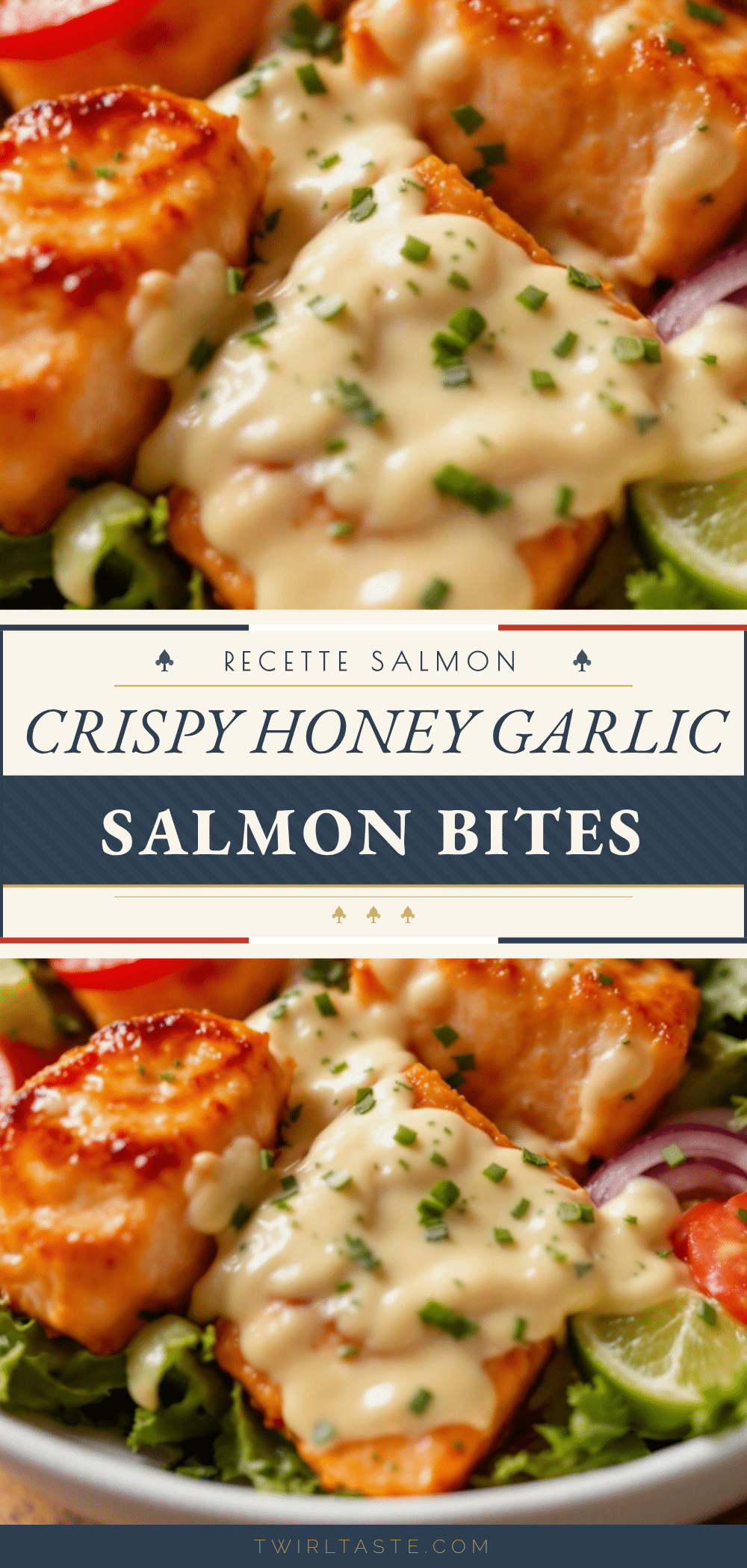
Crispy Honey Garlic Salmon Bites: Easy 15-Minute Dinner

A quick and easy weeknight dinner featuring salmon cubes coated in cornstarch for a crispy exterior, tossed in a sticky, sweet, and savory honey-garlic sauce. Ready in under 15 minutes with simple pantry ingredients.
- Prep Time: 5 minutes
- Cook Time: 10 minutes
- Total Time: 15 minutes
- Yield: 4 servings
- Category: Main Course
- Cuisine: Asian Fusion
Ingredients
- Salmon fillets (cut into 1-inch cubes)
- Cornstarch
- Neutral oil (avocado or grapeseed)
- Fresh garlic (minced)
- Honey
- Soy sauce (or tamari for gluten-free)
- Rice vinegar
- Red pepper flakes (optional)
- Green onions (sliced, for garnish)
Instructions
- Pat salmon fillets dry and cut into 1-inch cubes. Place in a bowl and toss with cornstarch until lightly coated.
- Heat neutral oil in a large non-stick skillet over medium-high heat until shimmering.
- Add salmon cubes in a single layer (cook in batches if necessary). Sear undisturbed for 2-3 minutes until golden, then flip and cook for another 2-3 minutes until cooked through. Remove salmon from pan and set aside.
- Reduce heat to medium. Add minced garlic to the same pan and sauté for 30 seconds until fragrant.
- Add honey, soy sauce, rice vinegar, and red pepper flakes to the pan. Stir constantly and cook for 1-2 minutes until the sauce thickens and coats the back of a spoon.
- Return the salmon bites to the pan and toss gently to coat in the sauce. Remove from heat immediately.
- Garnish with sliced green onions and serve immediately.
Notes
Do not overcrowd the pan to ensure the salmon crisps rather than steams. Combine the salmon with the sauce at the very last second to maintain the crispy texture. Salmon is done at 145°F, but can be removed at 135°F as it will continue to cook in the hot sauce. For a gluten-free version, use tamari instead of soy sauce.
Nutrition
- Serving Size: Approximately 1 cup
- Calories: 350
- Sugar: 18
- Sodium: 600
- Fat: 18
- Saturated Fat: 3
- Carbohydrates: 22
- Protein: 25
Keywords: salmon, honey garlic, crispy salmon, quick dinner, weeknight meals, one pan, healthy seafood, gluten-free option